
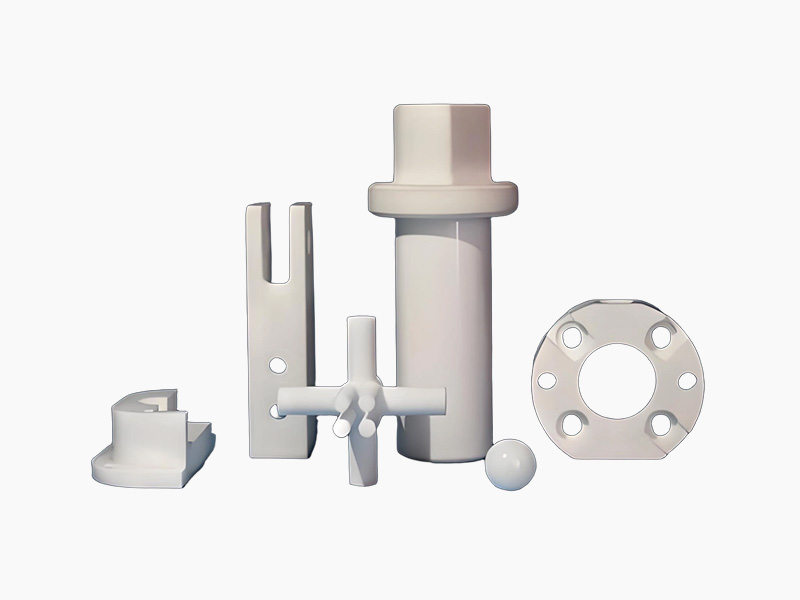
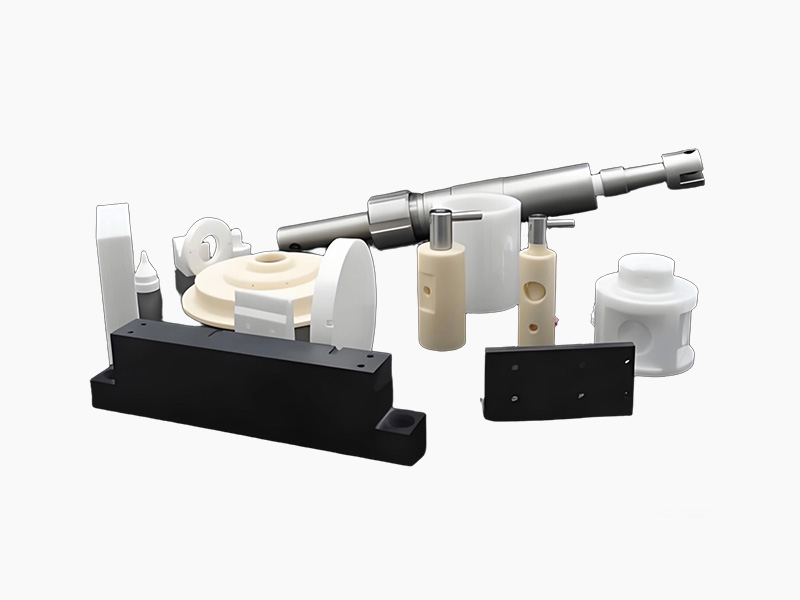



Automotive body manufacturing relies heavily on resistance spot welding to join sheet metal components into a rigid structure. In these high-volume production lines, precision and durability are essential. Ceramic welding pins have become increasingly important in ensuring consistent weld quality and long-term equipment reliability.
The Role of Welding Pins in Automotive Production
In automotive body-in-white (BIW) assembly, welding pins are used to align and position components before welding. Any deviation in alignment can lead to structural inaccuracies, affecting downstream assembly and overall vehicle quality.
Traditional metal pins often suffer from wear, deformation, and thermal expansion, which can compromise positioning accuracy over time.
Advantages of Ceramic Welding Pins in BIW Systems
Ceramic welding pins offer several advantages tailored to automotive welding environments:
1. Dimensional Stability Under Heat
Welding processes generate significant heat, especially in high-speed production lines. Ceramic materials maintain their shape even at elevated temperatures, ensuring consistent alignment.
2. High Wear Resistance
Automotive lines run continuously, often producing thousands of welds per shift. Ceramic welding pins resist wear, maintaining accuracy over extended periods.
3. Electrical Insulation
Ceramic materials prevent unintended current flow, ensuring that welding energy is focused at the electrode contact point.
Impact on Weld Quality
Consistent positioning ensures uniform weld nugget formation. Ceramic welding pins help reduce defects such as weak welds, misalignment, and excessive spatter.
Reducing Maintenance and Downtime
Because ceramic welding pins last significantly longer than metal alternatives, manufacturers can reduce maintenance frequency and minimize production interruptions.
Conclusion
In automotive body welding, ceramic welding pins provide unmatched durability, precision, and thermal stability, making them a critical component for high-quality, high-efficiency manufacturing.