





Robotic welding systems are central to modern manufacturing, offering speed, precision, and repeatability. However, the performance of these systems depends on the reliability of their components. Ceramic welding pins play a key role in maintaining alignment and accuracy in automated welding environments.
Precision Requirements in Robotic Welding
Robotic welding involves complex movements and precise positioning of welding guns and workpieces. Any misalignment can lead to defects, requiring rework or causing production delays.
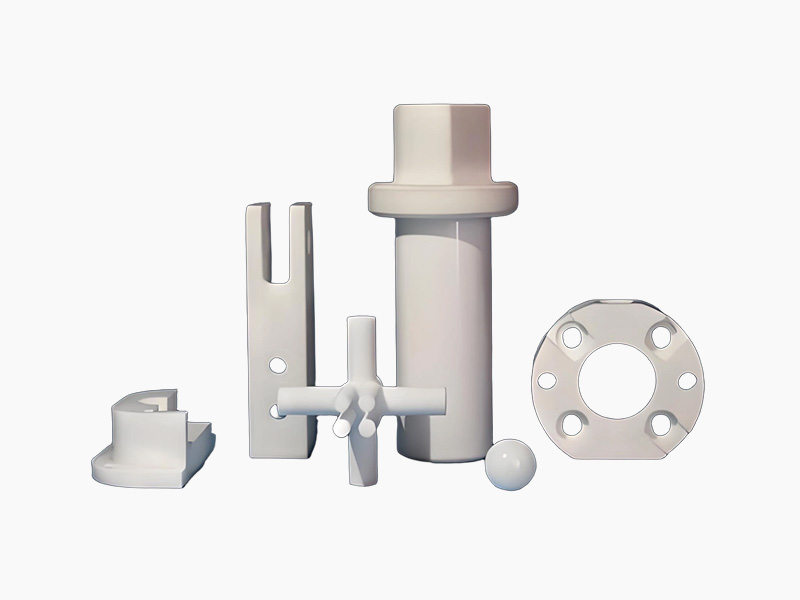
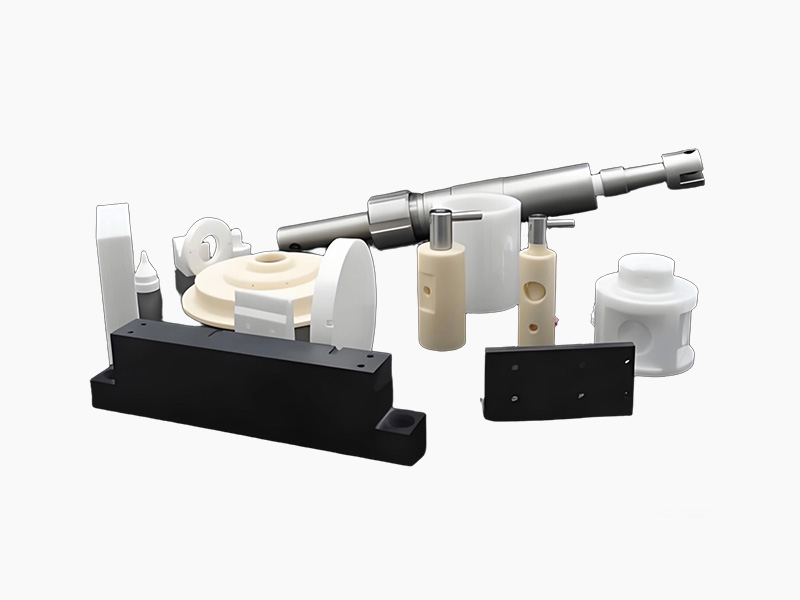
Ceramic welding pins provide stable reference points, ensuring that robotic systems maintain consistent alignment throughout operation.
Resistance to Dynamic Loads
Robotic systems operate at high speeds, generating dynamic forces and vibrations. Ceramic welding pins offer high stiffness and resistance to deformation, maintaining their geometry under continuous motion.
Thermal and Environmental Performance
Welding robots are exposed to heat, spatter, and industrial contaminants. Ceramic materials resist thermal expansion and do not corrode, ensuring long-term reliability in harsh environments.
Supporting High-Speed Automation
The lightweight nature of ceramic materials reduces mechanical stress on robotic components. This contributes to smoother operation and improved cycle times.
Improving Repeatability and Quality
Consistent alignment ensures repeatable weld results. Ceramic welding pins help robotic systems achieve high precision across thousands of cycles, improving overall product quality.
Conclusion
By integrating ceramic welding pins into robotic welding systems, manufacturers can enhance accuracy, reduce maintenance, and achieve higher productivity in automated environments.