
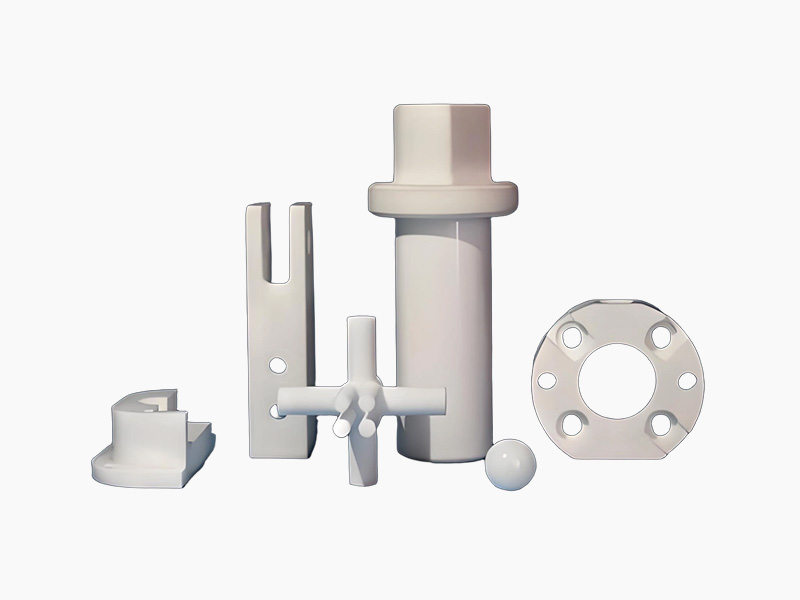
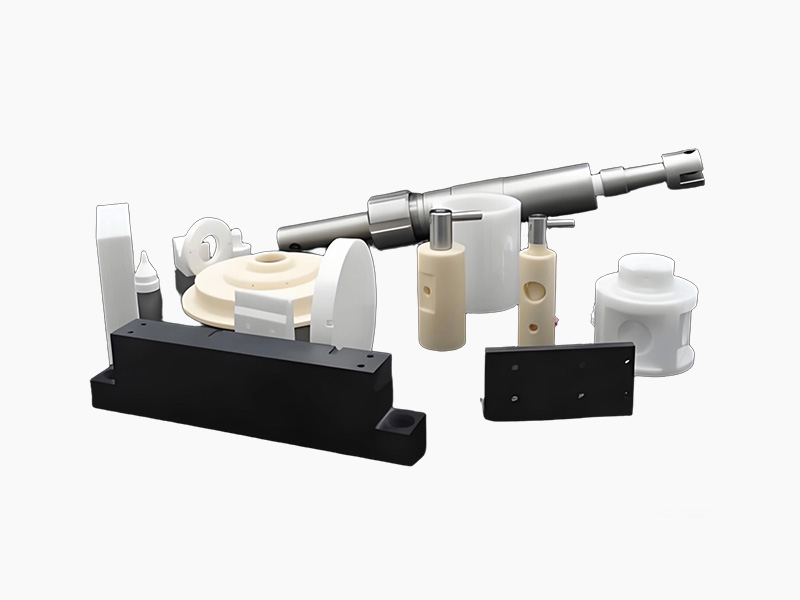
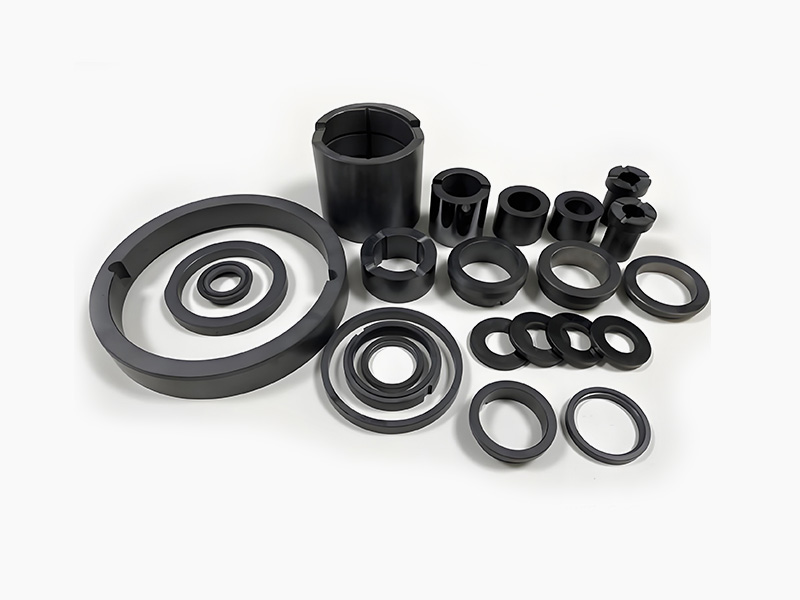






Aerospace engineering is an industry that demands the highest levels of precision, durability, and reliability. Welding is a critical process in aerospace manufacturing, used to assemble components such as aircraft frames, engines, and fuel systems. Ceramic Welding Pins have become an essential component in aerospace welding applications due to their ability to withstand extreme conditions and deliver consistent performance.
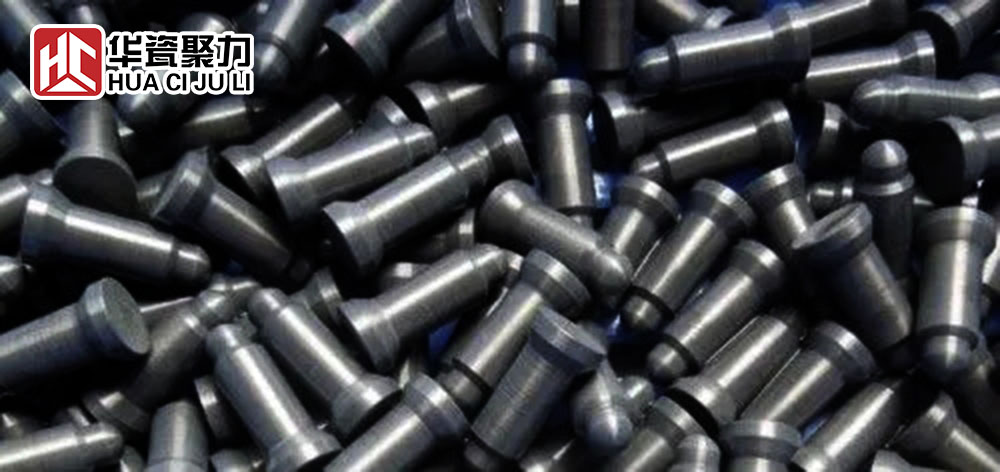
One of the primary applications of Ceramic Welding Pins in aerospace engineering is the welding of aircraft engine components. Aircraft engines operate at extremely high temperatures (up to 1500°C), and traditional metal pins can deform or melt under these conditions. Ceramic Welding Pins, made from high-temperature materials such as alumina or silicon nitride, can withstand these temperatures without losing their structural integrity, ensuring that engine components are welded correctly.
Ceramic Welding Pins are also used in the welding of aircraft frames. Aircraft frames are made from lightweight materials such as aluminum and titanium, which require precise welding to ensure structural strength. Ceramic Welding Pins provide precise positioning, ensuring that frame components are aligned correctly before welding. Their electrical insulation properties prevent unintended arcing, which can damage the lightweight materials and compromise the structural integrity of the frame.
Another application of Ceramic Welding Pins in aerospace engineering is the welding of fuel systems. Fuel systems are exposed to harsh chemicals and high temperatures, and corrosion resistance is critical. Ceramic Welding Pins are inherently resistant to corrosion, making them suitable for use in fuel system welding. Their non-conductive properties also prevent electrical sparks, reducing the risk of fire or explosion in fuel-rich environments.
The advantages of Ceramic Welding Pins in aerospace engineering are numerous. Their high thermal resistance ensures that they can withstand the extreme temperatures of aerospace welding applications. Their wear resistance reduces the need for frequent replacement, minimizing downtime and maintenance costs. Their electrical insulation properties improve weld quality and safety, while their precise positioning capability ensures that aerospace components meet strict quality standards.
Ceramic Welding Pins also offer weight savings compared to metal pins, which is critical in aerospace engineering where weight is a major concern. While the weight difference between a ceramic pin and a metal pin is small, the cumulative effect of using hundreds or thousands of ceramic pins in an aircraft can result in significant weight savings, improving fuel efficiency and performance.
In addition, Ceramic Welding Pins are compatible with the advanced welding techniques used in aerospace engineering, such as laser welding and electron beam welding. Their high precision and dimensional stability make them suitable for use in these techniques, ensuring that welds are accurate and consistent.
Overall, Ceramic Welding Pins play a critical role in aerospace engineering, providing the precision, durability, and reliability required for high-performance aerospace components. Their unique properties make them a superior alternative to traditional metal pins, helping aerospace manufacturers meet the strict quality and safety standards of the industry.