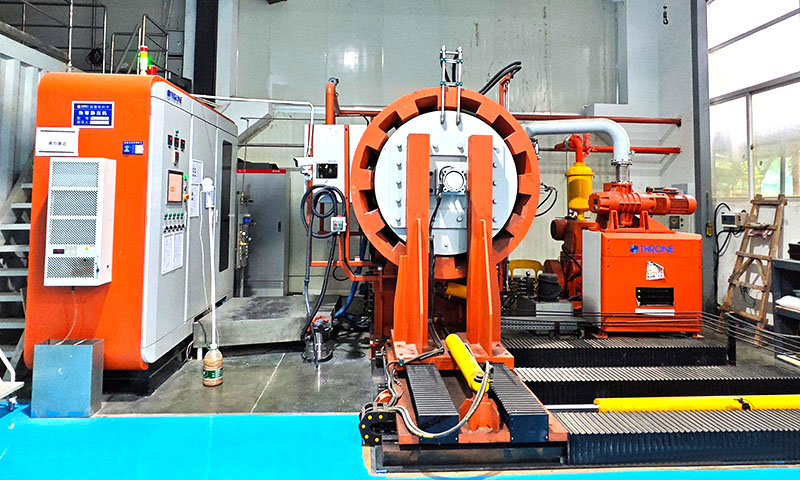







Laboratory furnaces are widely used in scientific research, material testing, and advanced experimental work. These furnaces often operate at very high temperatures and require precise thermal control. The silicon nitride heater protection tube has become an essential component for improving reliability in laboratory heating equipment.
Challenges in Laboratory Furnace Operation
Research furnaces are frequently used for experiments involving high temperatures, reactive atmospheres, and rapid heating cycles. These conditions can quickly damage exposed heating elements.A silicon nitride heater protection tube helps prevent direct contact between heating elements and the furnace environment, reducing the risk of oxidation or chemical attack.
Advantages of Silicon Nitride in Research Equipment
1、High mechanical strength
Silicon nitride ceramics are known for their exceptional strength compared with many other ceramic materials. This ensures reliable operation even during long experimental runs.
2、Excellent thermal stability
The material remains stable under extreme temperatures, allowing laboratory furnaces to operate consistently without structural degradation.
3、Low contamination risk
For many scientific experiments, contamination must be minimized. High-purity silicon nitride ceramics help maintain clean processing environments.
Supporting Precision Research
Laboratory equipment requires highly stable heating conditions. Silicon nitride heater protection tubes allow efficient heat transfer while protecting heating elements from environmental damage.This helps maintain accurate temperature control during experiments.
Applications in Research Facilities
Silicon nitride protection tubes are used in various laboratory systems, including:
1、Material testing furnaces
2、High-temperature sintering equipment
3、Thermal analysis systems
4、Experimental ceramic processing furnaces
For laboratories conducting advanced materials research, reliable heating equipment is essential. The silicon nitride heater protection tube provides the durability, thermal stability, and chemical resistance needed to support high-temperature scientific experiments.