
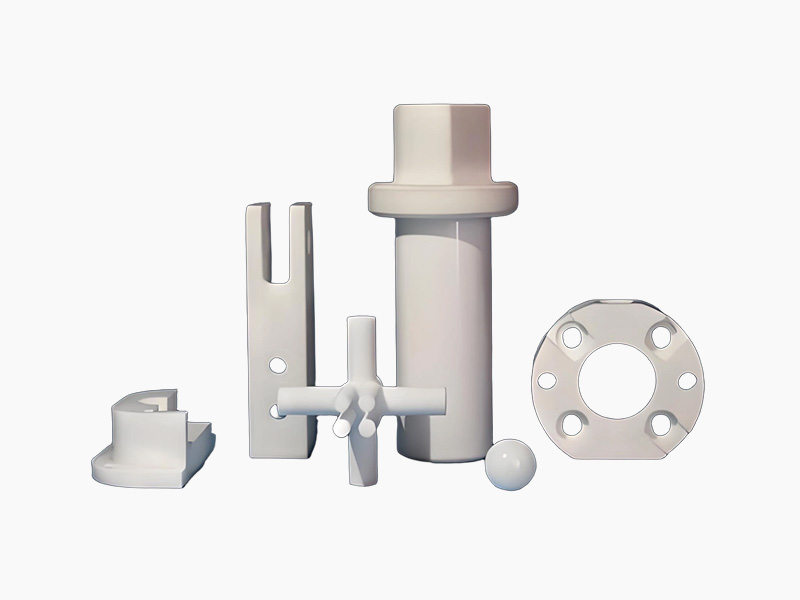
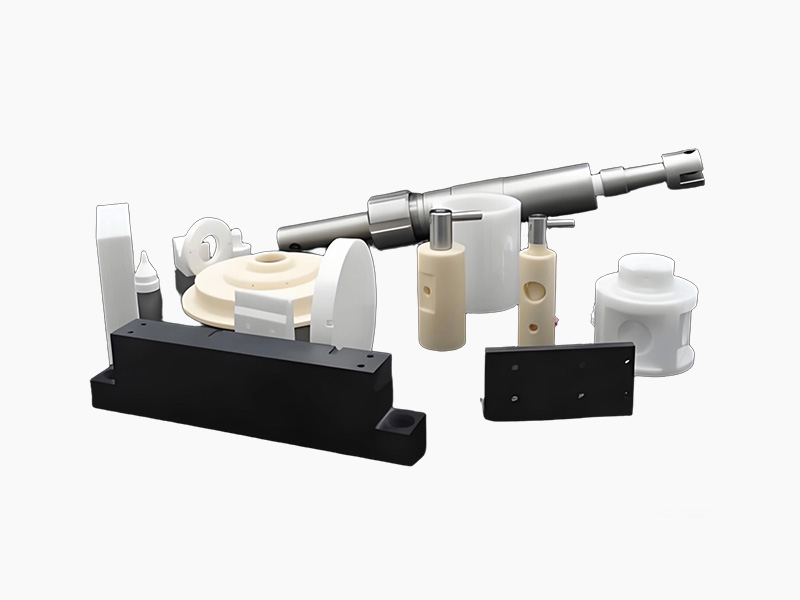
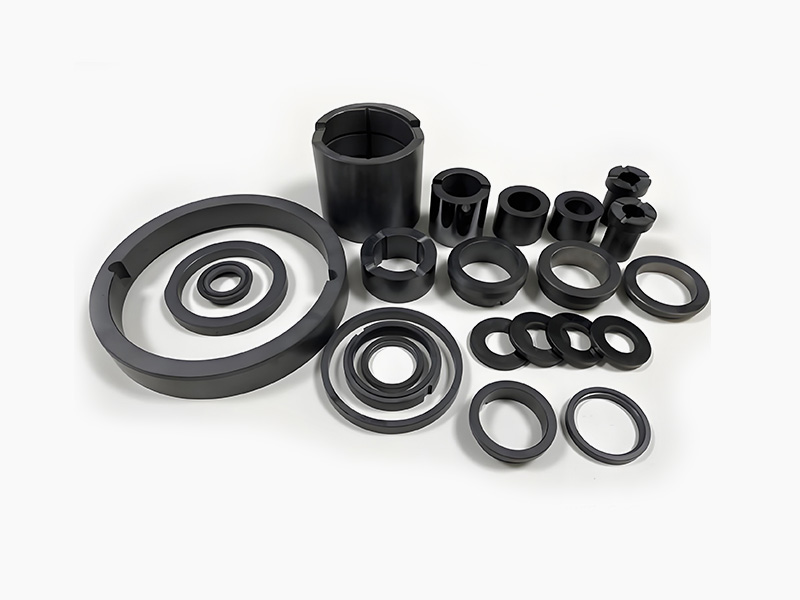





Silicon Nitride Ceramic Spot Welding Pins have emerged as a critical component in modern resistance welding systems. As industries such as automotive manufacturing, battery production, and electronics continue to demand higher precision and durability, traditional metal welding pins are increasingly being replaced by advanced ceramic alternatives.This guide explores the material science, key advantages, and industrial applications of silicon nitride welding pins, helping engineers and procurement professionals make informed decisions.
What Is a Silicon Nitride Ceramic Spot Welding Pin?
A silicon nitride (Si₃N₄) ceramic spot welding pin is a high-performance component used in resistance welding processes. It acts as a positioning and pressure-transmitting element during welding operations.
Key Functions:
Maintain precise electrode alignment
Provide thermal insulation
Reduce heat loss
Improve weld consistency
Unlike traditional metal pins, silicon nitride offers a unique combination of mechanical strength and thermal resistance.
Material Properties of Silicon Nitride
1. High Temperature Resistance
Silicon nitride can withstand temperatures exceeding 1000°C without deformation.
2. Excellent Wear Resistance
Its hardness significantly reduces abrasion during repeated welding cycles.
3. Low Thermal Conductivity
This property ensures minimal heat transfer, improving welding efficiency.
4. Electrical Insulation
Prevents unwanted current leakage during spot welding.
Advantages Over Traditional Metal Welding Pins
1、Longer Service Life
Ceramic pins last 3–5 times longer than metal alternatives.
2、Improved Welding Precision
Dimensional stability ensures consistent weld quality.
3、Reduced Maintenance
Less wear means fewer replacements and lower downtime.
Key Industrial Applications
1、Automotive Manufacturing
Used in body-in-white welding and structural components.
2、Lithium Battery Production
Ensures precise tab welding for battery cells.
3、Electronics Industry
Supports micro-welding operations with high accuracy.
Design Considerations
When selecting a silicon nitride welding pin, consider:
Diameter and length tolerance
Surface finish
Load-bearing requirements
Operating temperature
Future Trends
The adoption of silicon nitride ceramic components is expected to grow rapidly due to:
EV industry expansion
Automation in welding systems
Demand for high-efficiency manufacturing
FAQ
Q1: How long do silicon nitride welding pins last?
Typically 3–5 times longer than metal pins.
Q2: Are they suitable for high-frequency welding?
Yes, due to excellent thermal stability.
Q3: Can they be customized?
Yes, OEM designs are widely available.
Conclusion
Silicon Nitride Ceramic Spot Welding Pins represent a significant advancement in welding technology. Their durability, thermal performance, and precision make them an essential upgrade for modern manufacturing systems.