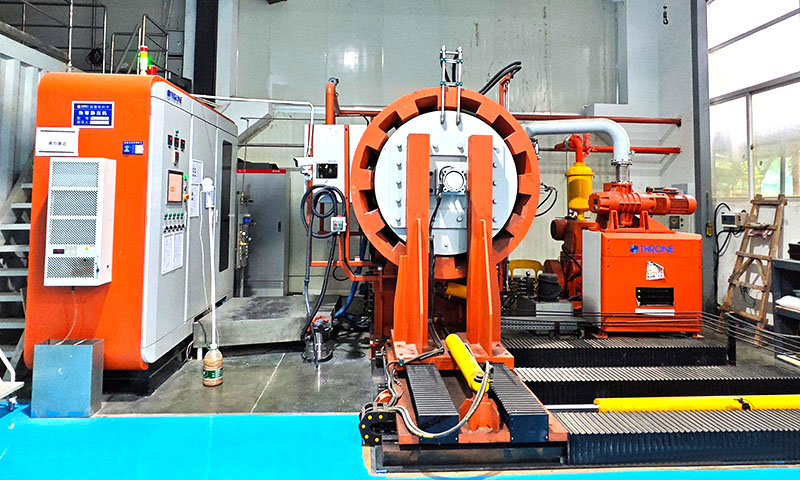

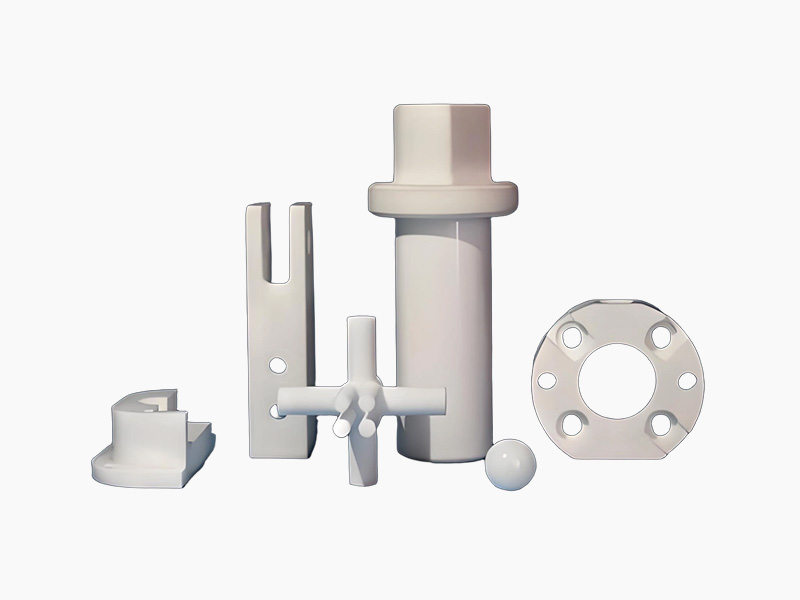
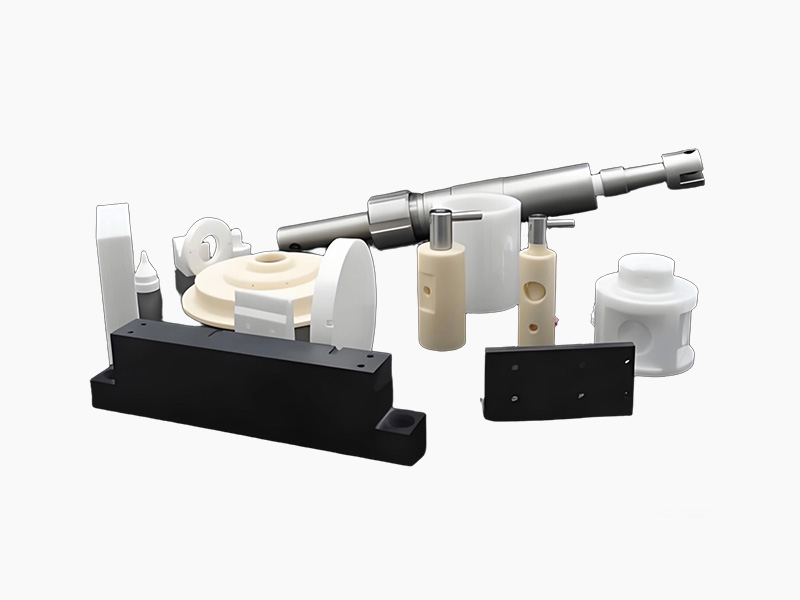
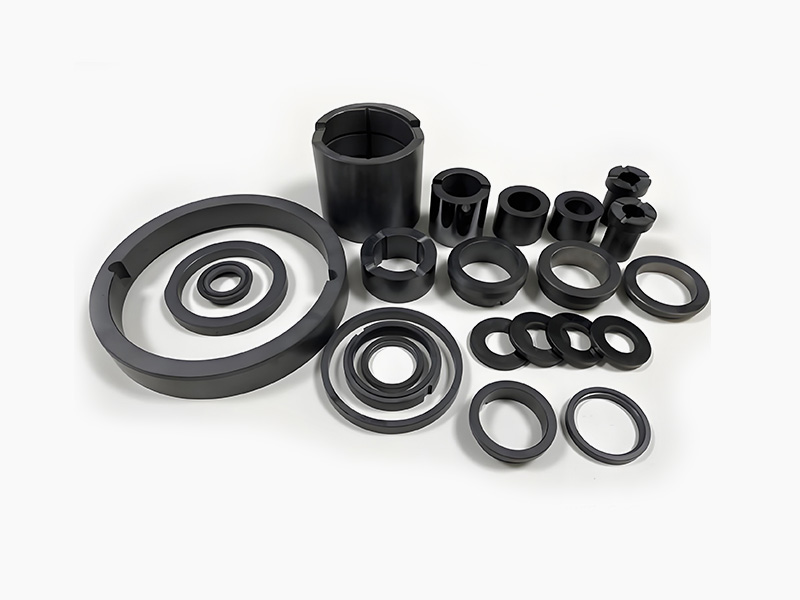




Discover the different sintering methods used in silicon nitride balls and how they impact performance. Sintering is a defining stage in the production of silicon nitride balls. The chosen sintering method directly affects density, strength, and overall performance.
Pressureless Sintering
This method involves heating without external pressure. Advantages:
Cost-effective
Suitable for mass production
Limitations:
Slightly lower density compared to advanced methods
Gas Pressure Sintering (GPS)
GPS uses nitrogen pressure during sintering to improve densification. Benefits include:
Higher density
Improved mechanical strength
Better reliability
Hot Pressing (HP)
Hot pressing applies both heat and pressure.
Advantages:
Excellent density
High strength
Drawbacks:
Limited to simple shapes
Hot Isostatic Pressing (HIP)
HIP is often used after initial sintering.
Key benefits:
Eliminates internal pores
Enhances fatigue resistance
Impact on Performance
The choice of sintering method influences:
Wear resistance
Load capacity
Lifespan
FAQ
Q1: Which sintering method is best?
GPS + HIP combination offers the best performance.
Q2: Does sintering affect cost?
Yes, advanced methods increase cost but improve quality.
Conclusion
Understanding sintering technologies is essential for selecting the right silicon nitride balls for specific applications.