




Silicon nitride (Si₃N₄) spheres are precision ceramic components widely used in high-performance bearings, aerospace mechanisms, energy equipment, and advanced industrial systems. Their superior mechanical reliability is not accidental; it is the result of a highly controlled manufacturing process combined with strict quality control standards. Unlike conventional metal balls, silicon nitride spheres demand advanced ceramic processing technologies to achieve consistent geometry, density, and long-term stability. Understanding how these spheres are manufactured and inspected provides valuable insight into why they perform so reliably in critical applications.
Raw Material Selection and Powder Preparation
The manufacturing process begins with the selection of high-quality silicon nitride powder. Powder purity, particle size distribution, and phase composition are fundamental factors that influence final product performance. Manufacturers typically use fine, high-purity Si₃N₄ powders with controlled α-phase content, as this phase promotes densification and mechanical strength during sintering.
To enhance sinterability, carefully formulated sintering aids such as rare-earth oxides are added in precise proportions. These additives help form a transient liquid phase during high-temperature sintering, enabling full densification while maintaining a stable ceramic microstructure. The powder mixture is homogenized through ball milling or similar techniques to ensure uniform dispersion and consistent chemical composition throughout the batch.
Forming and Shaping of Green Bodies
Once the powder is prepared, it must be formed into spherical green bodies. Several forming methods are used depending on required size, precision, and production volume. Common approaches include cold isostatic pressing (CIP) and precision granulation followed by molding.
In cold isostatic pressing, the powder is enclosed in a flexible mold and subjected to uniform pressure from all directions. This process produces green spheres with uniform density, minimizing internal defects that could lead to cracking during sintering. Dimensional consistency at this stage is critical, as it directly affects the efficiency of downstream grinding and polishing operations.
Sintering and Densification
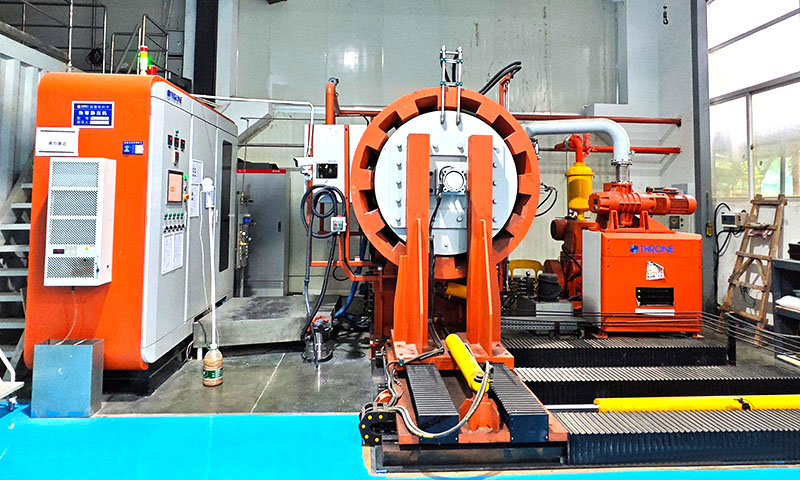
Sintering is one of the most critical steps in silicon nitride sphere manufacturing. The green spheres are heated to extremely high temperatures, typically above 1700°C, in a controlled atmosphere such as nitrogen. Depending on the required properties, manufacturers may use pressureless sintering, gas-pressure sintering, or hot isostatic pressing (HIP).
During sintering, the powder particles bond together, pores are eliminated, and the material transforms into a dense ceramic body. Proper control of temperature, heating rate, holding time, and atmosphere is essential to achieve optimal grain growth and mechanical strength. Inadequate control can result in residual porosity or abnormal grain growth, both of which negatively affect fatigue life and reliability.
Precision Grinding and Surface Finishing
After sintering, the spheres are extremely hard and require diamond-based grinding and lapping to achieve precise dimensions and surface quality. This stage determines key parameters such as diameter tolerance, roundness, and surface roughness.
Multi-step grinding processes gradually refine the sphere geometry, while fine lapping and polishing remove surface defects and micro-asperities. Advanced finishing techniques can achieve ultra-smooth surfaces with minimal roughness, reducing friction and wear in mechanical applications.
Precision surface finishing is especially important for high-speed or low-noise systems, where even minor surface irregularities can affect performance and service life.
Dimensional and Geometric Quality Control
Quality control begins early in production and continues through every stage of manufacturing. Dimensional accuracy is verified using high-precision measurement instruments such as laser micrometers, roundness testers, and coordinate measuring machines (CMM).
Key geometric parameters include diameter variation, sphericity, and lot consistency. Tight tolerances ensure proper load distribution and smooth motion when the spheres are used in bearings or precision mechanisms. Any deviation beyond specified limits can lead to vibration, increased wear, or premature failure.
Material and Structural Inspection
Beyond geometry, material integrity is equally important. Non-destructive testing methods such as ultrasonic inspection and density measurement are used to detect internal flaws, voids, or inclusions that are not visible on the surface.
Microstructural analysis is conducted on sample spheres to verify grain size, phase distribution, and the absence of abnormal growth or weak interfaces. These inspections confirm that the sintering process achieved the desired ceramic structure and mechanical consistency.
Mechanical Property Verification
To meet demanding application requirements, silicon nitride spheres must satisfy defined mechanical property benchmarks. Sample testing typically includes hardness measurement, compressive strength evaluation, and fracture resistance assessment.
In some cases, rolling contact fatigue tests are conducted to simulate real operating conditions. These tests help validate the sphere’s ability to withstand repeated stress cycles over extended service periods. Consistent test results across production batches indicate a stable and well-controlled manufacturing process.
Compliance with Industry Standards
High-quality silicon nitride spheres are produced in accordance with international quality management systems and technical standards. Manufacturers commonly operate under ISO-certified quality systems to ensure traceability, process control, and continuous improvement.
Depending on the application, products may be manufactured to meet specific bearing or industrial standards related to size grades, tolerance classes, and surface finish requirements. Compliance with these standards allows silicon nitride spheres to be seamlessly integrated into global mechanical systems and supply chains.
Continuous Improvement and Process Optimization
Modern manufacturers continually refine their processes through data analysis, automation, and advanced process monitoring. Feedback from quality inspections and customer applications is used to optimize powder formulations, sintering profiles, and finishing techniques.
This commitment to continuous improvement ensures consistent product performance while supporting scalability and cost efficiency. As application requirements become more stringent, manufacturing processes evolve to deliver even higher levels of precision and reliability.
The performance of silicon nitride spheres is inseparable from the sophistication of their manufacturing process and the rigor of their quality control standards. From raw material selection to final inspection, every step is designed to ensure structural integrity, dimensional precision, and long-term reliability.For demanding industrial and mechanical applications, these carefully engineered ceramic spheres provide confidence that components will perform as expected under extreme conditions. By adhering to advanced manufacturing practices and strict quality standards, silicon nitride sphere producers enable the high-performance systems that define modern engineering.