





Silicon nitride ceramics, known for their remarkable mechanical properties and versatility, have become a cornerstone in various industries, from aerospace to medical technology. As a result of their unique chemical and physical characteristics, they continue to shape the future of engineering and manufacturing. In this article, we’ll explore the key properties of silicon nitride ceramics, their broad range of applications, and why they are a preferred choice in many high-performance sectors.
What is Silicon Nitride?
Silicon nitride (Si₃N₄) is a high-performance ceramic material composed of silicon and nitrogen. Known for its excellent hardness, thermal stability, and resistance to wear, it is often synthesized at high temperatures through a process known as sintering. Unlike traditional ceramics, which can be brittle and prone to fracture, silicon nitride has the unique ability to combine strength with toughness. This makes it an ideal material for demanding applications where durability and precision are essential.
Key Properties of Silicon Nitride Ceramic
1.High Mechanical Strength and Toughness:
One of the most remarkable features of silicon nitride ceramics is their outstanding mechanical properties. These materials are known for their high tensile strength, making them highly resistant to fracture under stress. Additionally, they possess excellent toughness, meaning they can absorb significant amounts of energy before breaking. These properties make silicon nitride ceramics ideal for applications where high mechanical loads and stress resistance are critical.
2.Excellent Wear and Abrasion Resistance:
Silicon nitride has an inherently low friction coefficient, coupled with excellent resistance to wear and abrasion. This combination makes it an excellent choice for components that experience constant friction, such as bearings, cutting tools, and mechanical seals. The wear resistance helps extend the lifespan of parts, reducing maintenance costs and downtime.
3.Thermal Stability and High-Temperature Performance:
Silicon nitride ceramics maintain their integrity at elevated temperatures, with the ability to withstand temperatures as high as 1,600°C (2,912°F). This makes them highly suitable for high-temperature applications such as turbine engines, hot-rolling mills, and automotive components that operate in extreme heat conditions. Furthermore, silicon nitride exhibits low thermal expansion, which means it can maintain its shape and performance despite temperature fluctuations.
4.Corrosion and Oxidation Resistance:
Another key property of silicon nitride is its excellent resistance to corrosion and oxidation. Unlike metals, which can corrode when exposed to harsh environments, silicon nitride is highly stable in chemically aggressive surroundings. It is particularly effective in environments exposed to acids, alkalis, and salts, making it an invaluable material for industries like chemical processing, marine engineering, and more.
5.Electrical Insulation:
Silicon nitride is an excellent electrical insulator, making it a valuable material for electronic applications. It does not conduct electricity, which is important for components that need to operate in high-voltage environments without risk of electrical interference. This property also contributes to its use in semiconductor technologies and other electronic devices.
Applications of Silicon Nitride Ceramic
Due to its combination of exceptional mechanical properties, thermal stability, and resistance to wear and corrosion, silicon nitride is used in a wide variety of applications across several industries. Below are some of the key sectors that benefit from silicon nitride ceramics:
1. Aerospace and Automotive Industries:
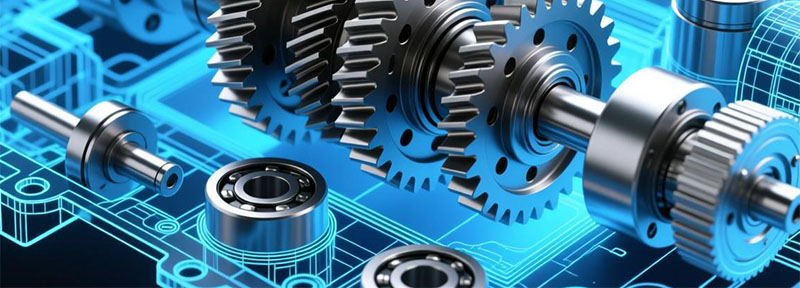
In the aerospace and automotive sectors, performance and reliability are paramount. Silicon nitride ceramics are commonly used in components that must withstand high-stress environments, such as turbine blades, exhaust valves, and bearings. The material’s thermal stability allows these components to perform efficiently even under extreme heat conditions, improving fuel efficiency and engine performance. Furthermore, the lightweight nature of silicon nitride helps reduce the overall weight of aircraft and vehicles, further enhancing fuel economy.
2. Cutting Tools and Machine Components:
Silicon nitride is frequently used in the production of cutting tools, including inserts, drills, and end mills. The combination of wear resistance, toughness, and high-temperature performance makes it an ideal mater