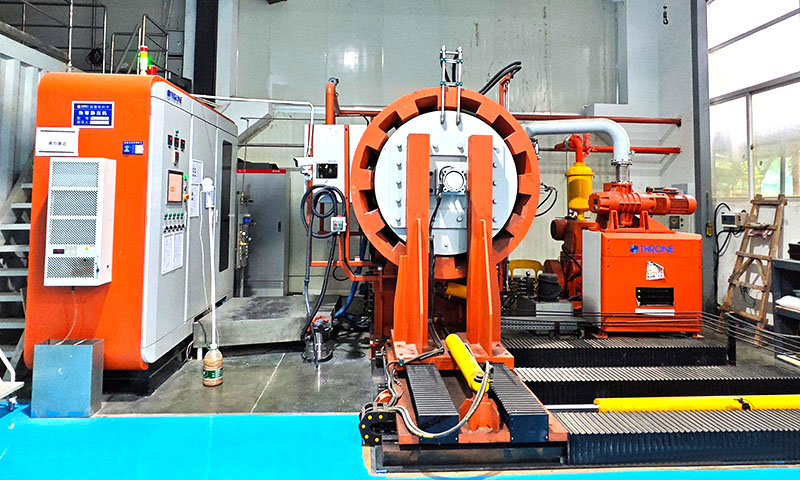

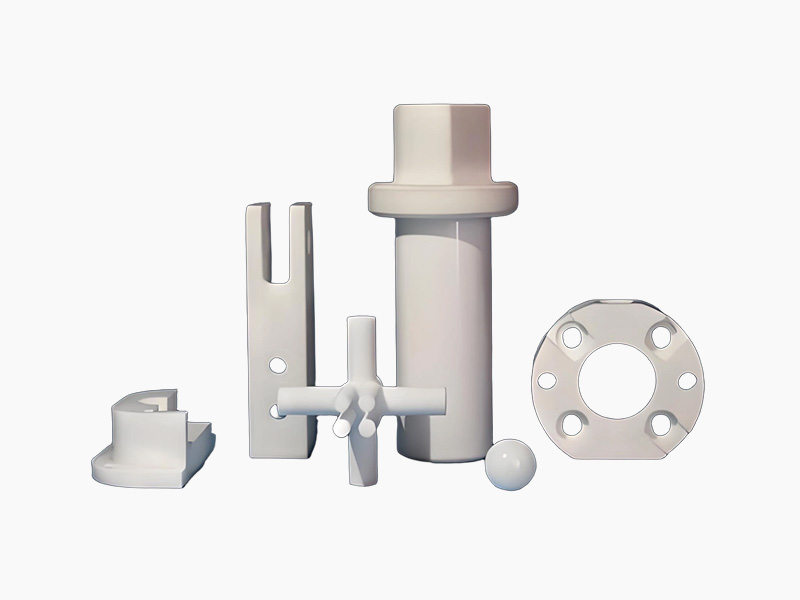
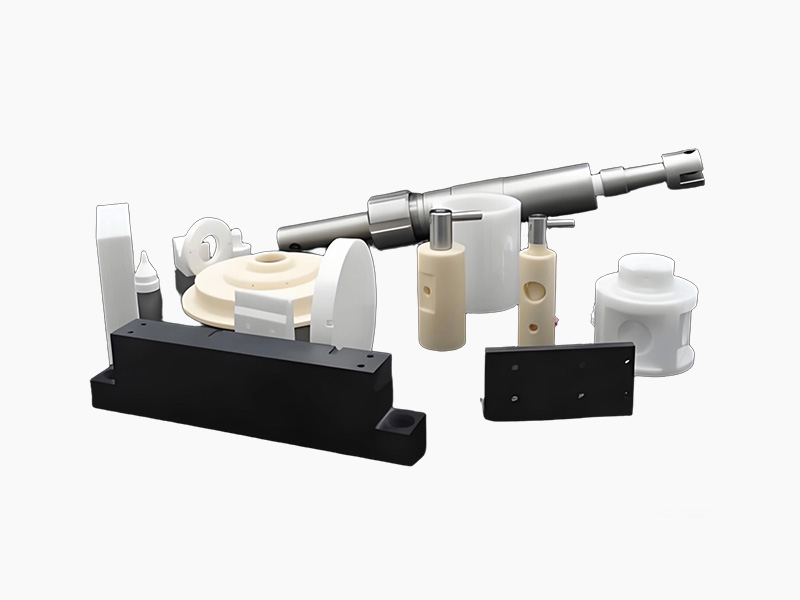
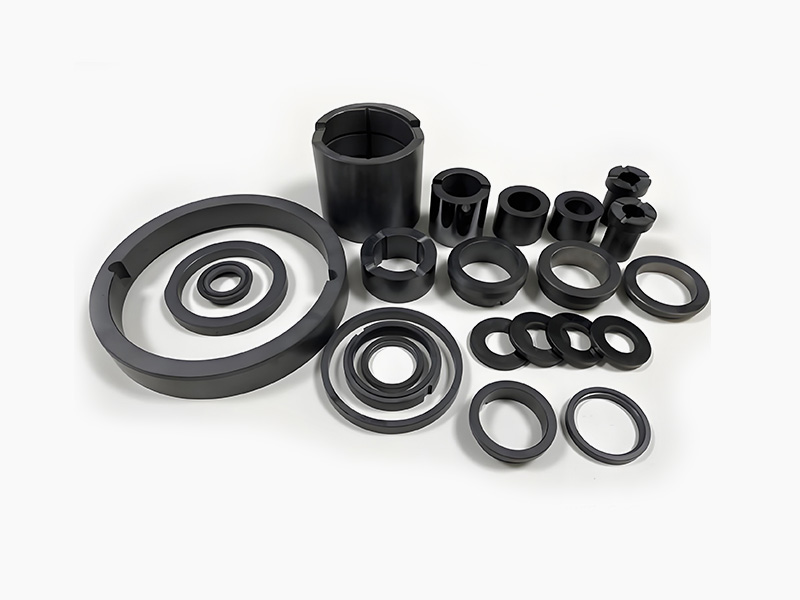




The semiconductor industry is a cornerstone of modern technology, powering everything from smartphones to advanced computing systems. As demand for smaller, faster, and more efficient devices continues to grow, so too does the need for precision equipment that can withstand the extreme conditions found in semiconductor manufacturing. In this high-stakes environment, Silicon Nitride (Si₃N₄) ceramic has emerged as a material of choice for semiconductor equipment, offering unparalleled durability, thermal stability, and precision.
Why Silicon Nitride Ceramic?
Silicon Nitride is a cutting-edge material composed of silicon and nitrogen. It boasts an impressive combination of physical, mechanical, and chemical properties, making it particularly suitable for the demanding environments of semiconductor manufacturing. Let’s take a closer look at the benefits of using Si₃N₄ ceramic in semiconductor equipment:
1.Exceptional Wear Resistance: Semiconductor manufacturing often involves high-speed, high-precision processes where equipment parts are subject to significant wear. Si₃N₄’s excellent wear resistance ensures that components such as wafer holders, carriers, and chucks maintain their integrity over long production runs, minimizing the need for frequent replacements.
2.High Thermal Stability: The semiconductor industry requires materials that can withstand extreme temperatures, especially during processes like etching and deposition. Si₃N₄ has outstanding thermal stability, maintaining its strength and dimensional accuracy even at high temperatures, which is critical in protecting sensitive semiconductor wafers.
3.Low Thermal Expansion: One of the challenges in semiconductor manufacturing is managing thermal expansion. Si₃N₄ has a low coefficient of thermal expansion, meaning it doesn’t expand or contract significantly when exposed to temperature fluctuations. This property ensures that Si₃N₄ components maintain their shape and precision, even in environments where rapid heating and cooling are common.
4.Chemical Resistance: During the semiconductor fabrication process, components are exposed to a variety of chemicals, gases, and solvents. Si₃N₄ is highly resistant to chemical corrosion, making it an ideal choice for parts that need to endure these harsh conditions without degrading.
5.Electrical Insulation: Silicon Nitride is an excellent electrical insulator, which is crucial in applications where electrical conductivity needs to be controlled or minimized. This makes Si₃N₄ a go-to material for components like insulating rings and substrates used in semiconductor equipment.
Key Applications of Silicon Nitride Ceramics in Semiconductor Equipment
Si₃N₄ ceramics are used in a wide variety of components within semiconductor equipment. These components play a vital role in ensuring the precision, reliability, and longevity of semiconductor manufacturing systems. Some key applications include:
1. Wafer Handling Components:
The precise handling of semiconductor wafers is a critical task in manufacturing processes such as photolithography, etching, and chemical vapor deposition (CVD). Si₃N₄ ceramics are often used in wafer carriers, wafer chucks, and wafer handling robots due to their excellent wear resistance, stability, and ability to handle the delicate nature of semiconductor wafers.
2. Chucks and Vacuum Components:
In semiconductor processing, vacuum systems are essential for maintaining controlled environments. Si₃N₄ is used in vacuum chambers, rings, and seals due to its ability to maintain structural integrity even under high vacuum conditions. These components ensure the proper functioning of the equipment while providing long-term durability.
3. Etching and Deposition Equipment:
During semiconductor manufacturing, materials are etched or deposited onto the wafer surface. Si₃N₄'s resistance to chemicals and high temperatures makes it an ideal material for components involved in these processes, such as nozzles, injectors, and liner shields. These parts must endure highly reactive environments without losing performance, which Si₃N₄ handles with ease.
4. Insulating Parts:
Electrical insulation is crucial in semiconductor equipment to prevent unwanted electrical currents or short circuits. Si₃N₄ ceramics are widely used in insulating parts like insulating rings, spacers, and substrates. Their high electrical resistance and thermal stability make them well-suited for protecting sensitive electrical circuits and components.
5. Precision Machining Components:
Precision machining is a key aspect of semiconductor manufacturing, and tools such as cutters, dies, and fixtures need to maintain accuracy over time. The hardness and wear resistance of Si₃N₄ ceramics make them ideal for these high-precision components, ensuring that they retain sharpness and accuracy even after extensive use.
Advantages of Silicon Nitride Ceramics for Semiconductor Equipment
Silicon Nitride offers several distinct advantages that make it the material of choice for the semiconductor industry. Here’s a breakdown of some key benefits:
1.Enhanced Performance: Si₃N₄’s combination of high strength, thermal stability, and wear resistance results in higher-performing equipment that is more efficient and reliable. This enhances the overall throughput of semiconductor manufacturing lines, reducing operational costs and increasing output.
2.Increased Lifespan: Components made from Si₃N₄ are highly durable and can withstand the demanding conditions of semiconductor manufacturing without degradation. This leads to longer service lives for critical equipment parts, minimizing downtime and maintenance costs.
3.Cost Efficiency: Although Si₃N₄ ceramics can be more expensive than other materials upfront, their long-term durability and reliability make them a cost-effective choice. Reduced wear, lower maintenance costs, and fewer replacements contribute to significant savings in the long run.
4.Sustainability: As the demand for sustainable manufacturing practices grows, Si₃N₄’s durability and chemical resistance help reduce waste and increase the efficiency of semiconductor fabrication processes. Its resistance to corrosion and wear ensures that fewer raw materials need to be consumed over time.
Why Choose Silicon Nitride for Semiconductor Equipment?
The high demands of semiconductor manufacturing require materials that offer the perfect balance of durability, precision, and reliability. Silicon Nitride stands out as a material that can meet these needs while contributing to the performance and longevity of critical equipment.
The benefits of Si₃N₄ ceramics extend beyond just technical performance—they help improve operational efficiency, reduce maintenance costs, and contribute to sustainability efforts. With the growing complexity of semiconductor devices and processes, using Si₃N₄ ceramic components is no longer just a smart choice, it is a necessity for staying ahead in the competitive semiconductor market.
In the highly competitive world of semiconductor manufacturing, Silicon Nitride ceramics are playing an increasingly vital role in improving the performance, precision, and durability of semiconductor equipment. From wafer handling and etching components to insulating rings and vacuum parts, Si₃N₄ offers the thermal stability, wear resistance, and chemical durability required for demanding applications.
As the semiconductor industry continues to evolve, so too will the demand for advanced materials like Silicon Nitride that offer unmatched performance in extreme conditions. Investing in Si₃N₄ ceramics is a step toward ensuring the future success and sustainability of semiconductor manufacturing operations.