






The chemical industry places extremely high demands on material performance. Equipment must withstand corrosive media, high temperatures, pressure fluctuations, and continuous mechanical stress. In this environment, conventional metals and polymers often show limited service life. Advanced ceramics, particularly silicon nitride (Si₃N₄), have become an ideal material choice for critical chemical processing components.
Silicon nitride ceramics are known for their excellent combination of mechanical strength and chemical stability. They maintain high hardness and fracture toughness even at elevated temperatures, while their low thermal expansion provides outstanding resistance to thermal shock. These characteristics make Si₃N₄ components suitable for harsh operating conditions where sudden heating, cooling, and mechanical loading are common.
Corrosion resistance is one of the most important advantages of silicon nitride in chemical applications. High-purity Si₃N₄ is highly inert to most acids, alkalis, and organic solvents. Unlike metallic materials that may suffer from oxidation, pitting, or stress corrosion cracking, silicon nitride maintains structural integrity and surface smoothness over long periods of exposure. This ensures stable operation and reduces the risk of unplanned downtime.
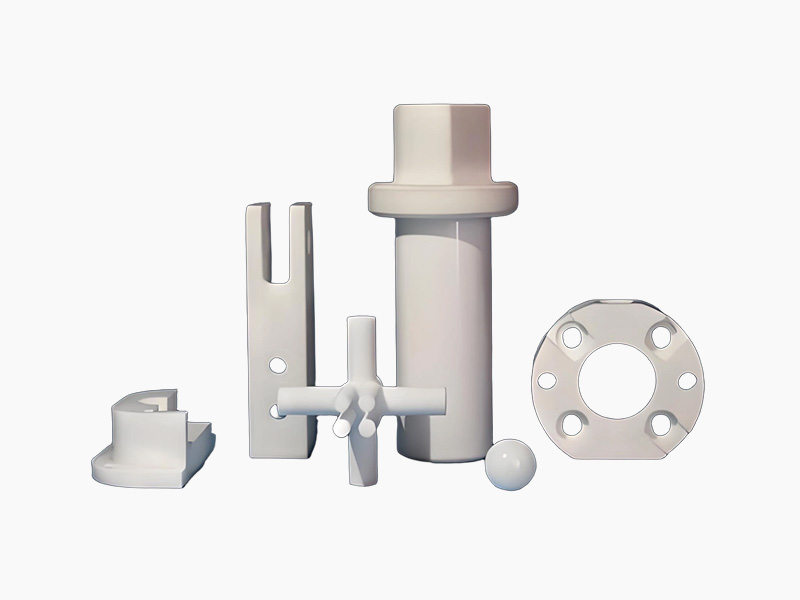
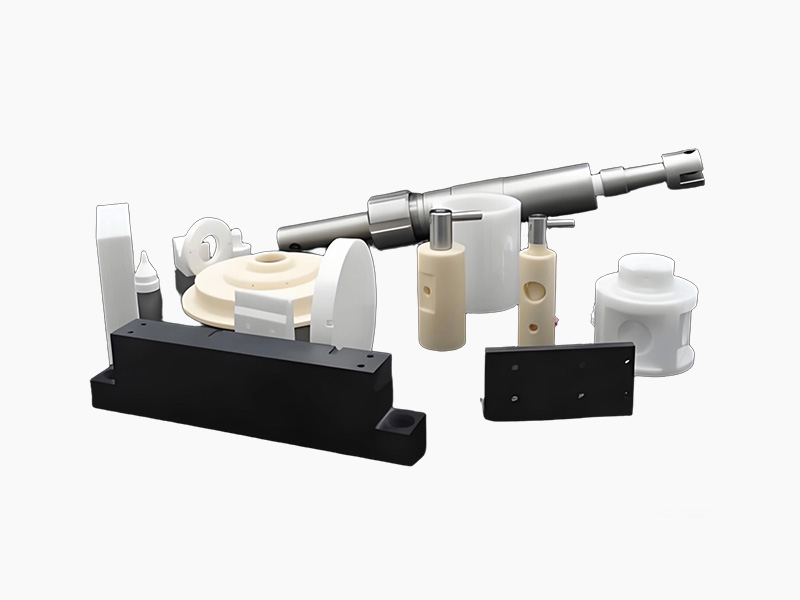
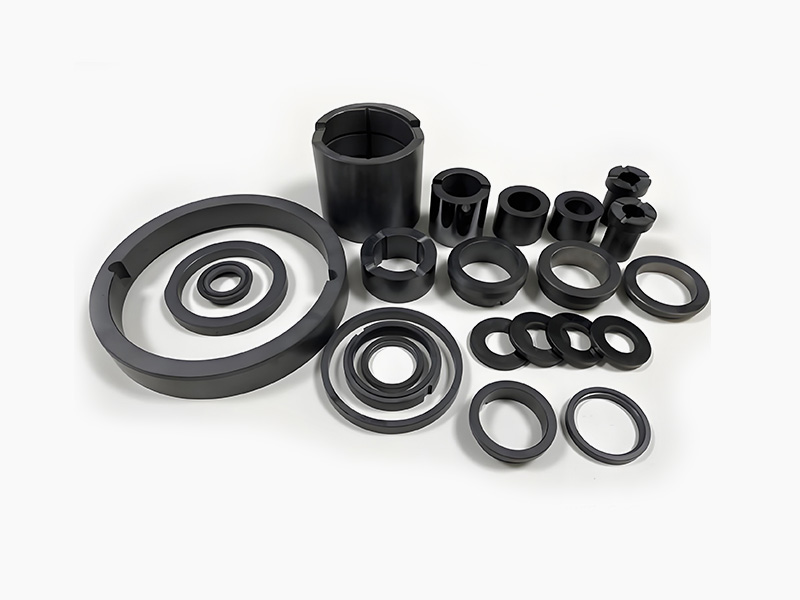
Wear resistance is another key benefit. Silicon nitride exhibits low friction and high surface hardness, making it ideal for parts such as pump shafts, bearings, mechanical seals, valve seats, nozzles, and liners. These components can operate under high-speed fluid flow and abrasive media with minimal wear, helping to maintain tight tolerances and reliable sealing performance.
Thermal stability further expands the application range of silicon nitride ceramics in chemical processing. Many reactions and heat transfer systems operate at high temperatures or under rapid thermal cycling. Si₃N₄ retains strength and dimensional stability in these conditions, making it suitable for thermocouple protection tubes, heat exchanger components, and reactor internals.
From a process safety and product quality perspective, silicon nitride ceramics also offer significant advantages. Their chemical inertness minimizes contamination, which is essential for high-purity chemicals, pharmaceuticals, and fine chemical production. Smooth, dense ceramic surfaces reduce material adhesion and scaling, improving flow efficiency and simplifying cleaning and maintenance.
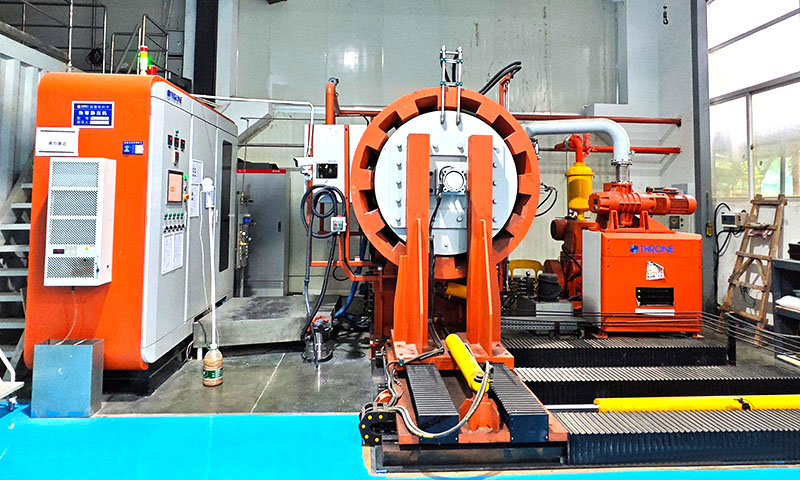
With advances in ceramic forming and sintering technologies, silicon nitride components can now be manufactured with high precision and complex geometries. Custom-designed parts can be produced to meet specific pressure, temperature, and corrosion requirements, enabling optimized equipment design and longer service life.
In conclusion, silicon nitride ceramic components provide an effective and reliable solution for the chemical industry. Their superior corrosion resistance, wear performance, thermal stability, and mechanical strength make them well suited for demanding processing environments. As chemical plants continue to pursue higher efficiency, safety, and durability, silicon nitride ceramics will play an increasingly important role in modern chemical equipment and systems.