
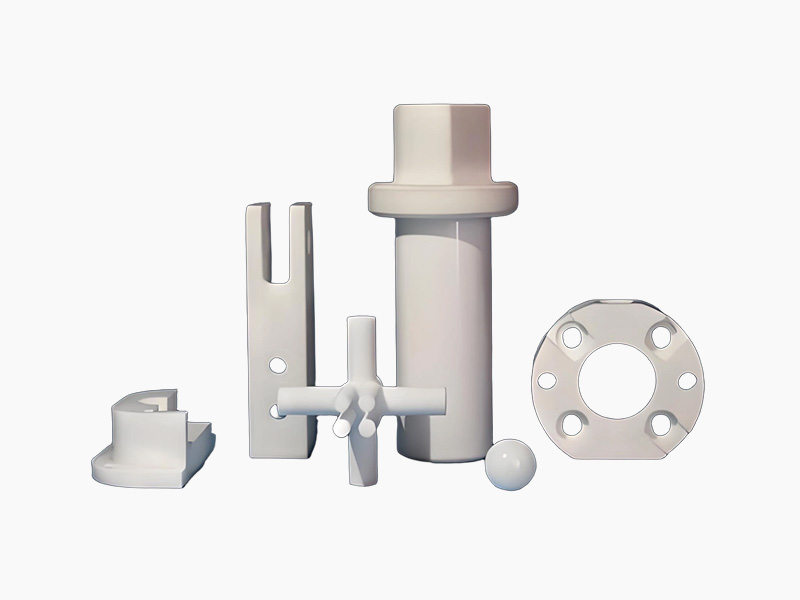
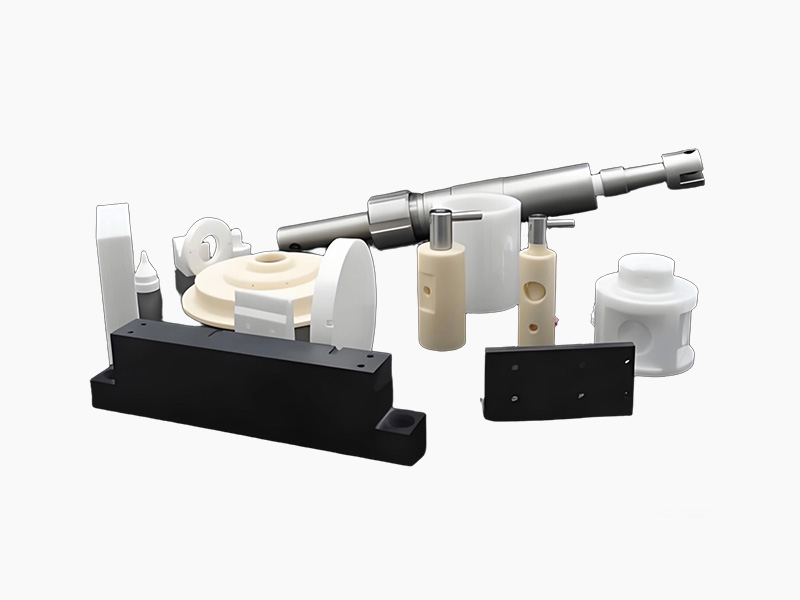
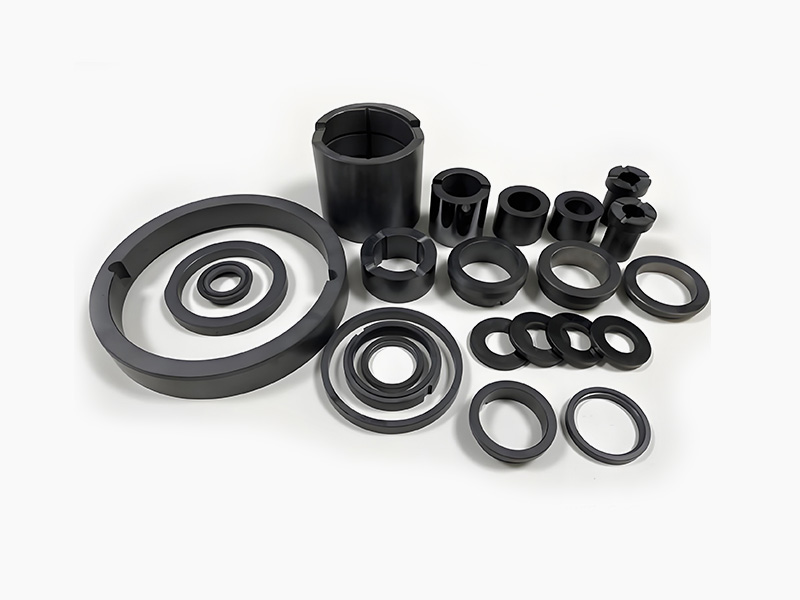




Robotic spot welding systems rely on precise motion control and repeatable positioning to achieve consistent weld quality. A silicon nitride ceramic centering pin contributes directly to the accuracy and reliability of robotic welding operations.
Alignment Challenges in Robotic Welding
Robotic welding cells involve complex interactions between robots, welding guns, fixtures, and workpieces. Small alignment deviations can be amplified through robotic motion, leading to inconsistent weld placement.
Silicon nitride ceramic centering pins provide stable reference points within robotic welding assemblies, ensuring that alignment remains consistent despite dynamic movement.
Dynamic Load and Vibration Resistance
Robotic welding systems operate at high speeds, generating vibration and dynamic loads that can affect mechanical alignment. Silicon nitride ceramics offer high stiffness and vibration resistance, maintaining positioning accuracy under rapid motion and frequent acceleration.This stability supports precise weld placement and improved repeatability.
Thermal Stability During Continuous Operation
Robotic welding cells often operate continuously with minimal downtime. Heat generated during welding can accumulate within equipment components. Silicon nitride ceramic centering pins resist thermal expansion and maintain dimensional stability, even under prolonged thermal exposure.This property helps robotic systems maintain calibration over extended production cycles.
Electrical Isolation in Automated Systems
In robotic spot welding, controlling current flow is essential for consistent weld formation. Silicon nitride’s electrical insulation properties prevent unintended current paths through alignment components, improving electrical efficiency and process stability.This isolation also contributes to safer and more predictable robotic welding operations.
Enhancing Robotic Welding Productivity
By using silicon nitride ceramic centering pins, robotic spot welding systems achieve higher positioning accuracy, reduced maintenance requirements, and improved process consistency. These advantages support higher productivity and long-term operational stability in automated welding lines.