




The global shift towards electric vehicles (EVs) and renewable energy has increased the demand for high-performance battery modules. Battery modules are critical components in EVs, energy storage systems, and other applications, and their safety and precision are paramount. Silicon nitride balls (Si3N4 balls) have become an essential component in battery module fixtures, offering electrical insulation, high precision, wear resistance, and thermal stability—all critical for ensuring the safety and performance of battery modules. This article explores the benefits of silicon nitride balls in battery module fixtures, their role in ensuring safety and precision, and their key applications in the battery industry.
Safety is the top priority in battery module design and manufacturing. Battery modules contain high-voltage components, and any electrical conductivity or short circuit can lead to catastrophic failures, such as fires or explosions. Silicon nitride balls are electrically insulating, meaning they do not conduct electricity, making them ideal for use in battery module fixtures. Unlike steel balls, which are conductive, silicon nitride balls prevent electrical arcing and short circuits, ensuring the safety of the battery module.
Precision is another critical requirement for battery module fixtures. Battery cells must be positioned and secured with high precision to ensure optimal performance and safety. Silicon nitride balls are manufactured to extremely tight tolerance grades, such as G5 and G10, which ensure that they have a uniform size and shape. This uniformity allows for precise positioning of battery cells, ensuring that they are aligned correctly and secured tightly. The smooth surface finish of silicon nitride balls also reduces friction, making it easier to assemble and disassemble the battery module.
Wear resistance is also important in battery module fixtures. Battery modules are often assembled and disassembled multiple times during manufacturing and maintenance, and the fixtures must withstand repeated use without wear. Silicon nitride has a high hardness (Mohs 9) and low friction coefficient, making it significantly more wear-resistant than steel and other traditional materials. This wear resistance ensures that the fixtures remain precise and reliable over time, reducing the need for frequent replacement.
Thermal stability is another key benefit of silicon nitride balls in battery module fixtures. Battery modules generate heat during charging and discharging, and the fixtures must be able to withstand these temperature changes without deforming or failing. Silicon nitride has a low thermal expansion coefficient and can withstand temperatures up to 1200°C, making it stable even in the high-temperature environments associated with battery operation. This thermal stability ensures that the fixtures maintain their precision and safety, even when exposed to extreme temperatures.
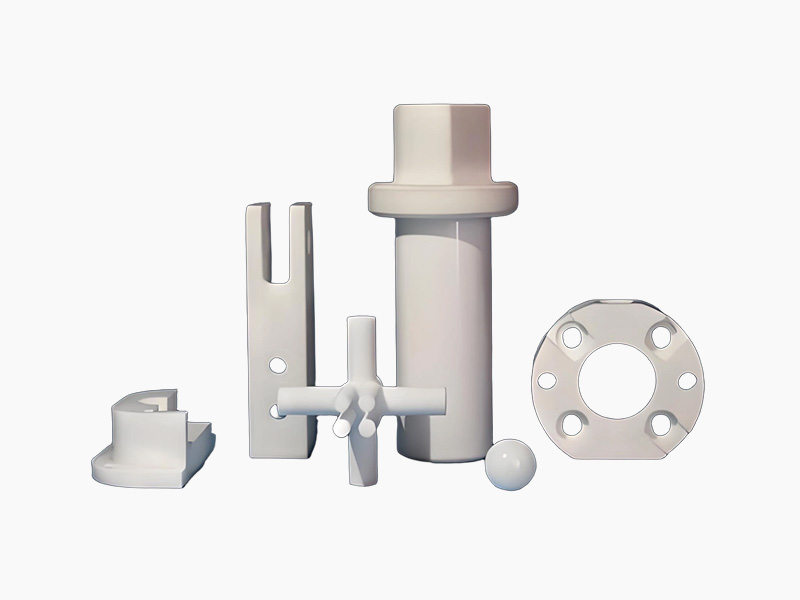
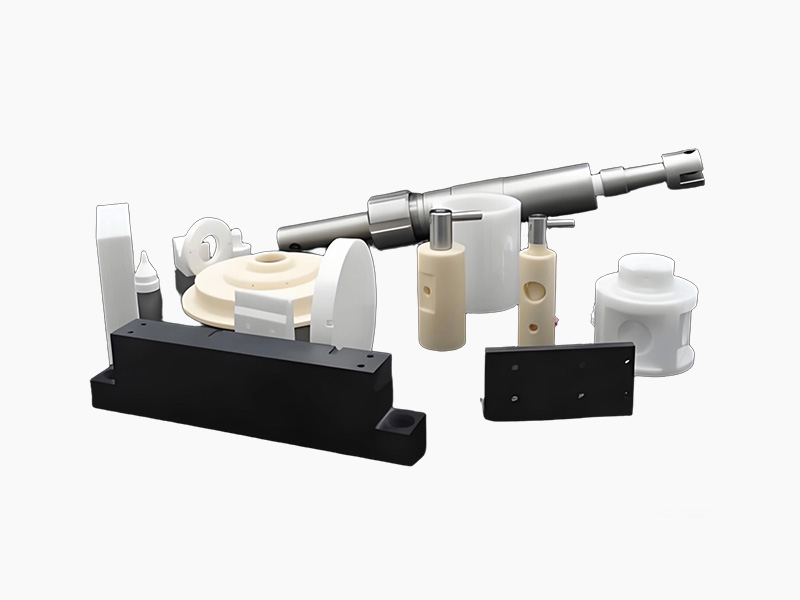
Real-world applications of silicon nitride balls in battery module fixtures include cell positioning pins, clamping mechanisms, and insulation components. Cell positioning pins are used to align battery cells in the module, ensuring that they are spaced correctly and secured tightly. Silicon nitride positioning pins offer high precision and electrical insulation, ensuring the safety and performance of the battery module. Clamping mechanisms are used to secure the battery cells in place, and silicon nitride balls in these mechanisms reduce friction and wear, ensuring smooth operation.
Insulation components in battery module fixtures, such as spacers and bushings, also use silicon nitride balls to prevent electrical conductivity. These components ensure that high-voltage parts of the battery module are isolated from each other, reducing the risk of short circuits. Silicon nitride’s electrical insulation and thermal stability make it ideal for these applications.
When compared to alternative materials for battery module fixtures, silicon nitride balls offer several advantages. Steel balls are conductive, making them unsafe for use in high-voltage battery modules. Zirconia ceramic balls are insulating but are more brittle than silicon nitride, making them more prone to fracture under high loads. Plastic balls are insulating but are not wear-resistant and can deform at high temperatures.
When selecting silicon nitride balls for battery module fixtures, it’s important to consider factors such as tolerance grade, size, and surface finish. The tolerance grade ensures that the balls fit precisely in the fixture, with G5 and G10 being the most common grades for battery applications. The size of the ball depends on the specific component, with diameters ranging from 1mm to 20mm. The surface finish is also critical, as a smooth surface reduces friction and ensures optimal performance.
In conclusion, silicon nitride balls are a critical component in battery module fixtures, offering electrical insulation, high precision, wear resistance, and thermal stability. Their ability to ensure the safety and precision of battery modules makes them a valuable investment for battery manufacturers. As the demand for EVs and renewable energy continues to grow, the use of silicon nitride balls in battery module fixtures is expected to increase. If you’re a battery manufacturer looking to enhance the safety and performance of your battery modules, silicon nitride balls are the ideal solution.