
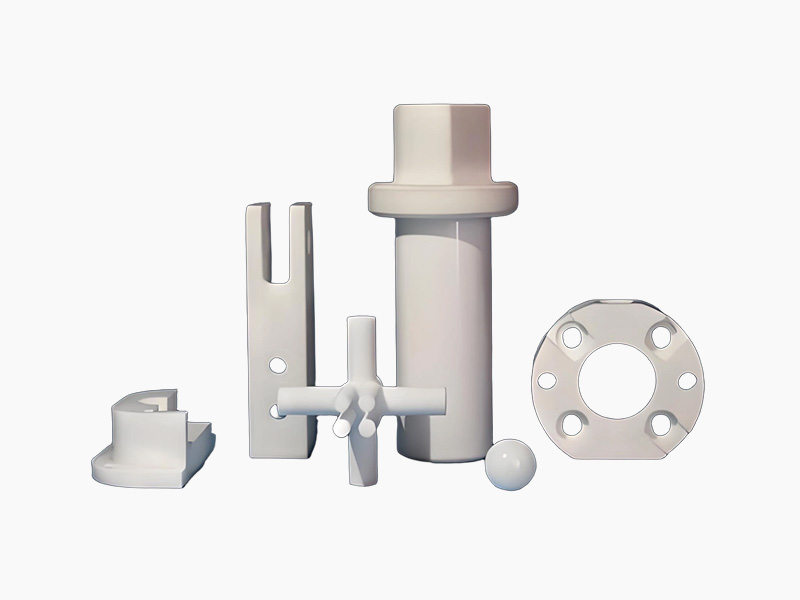
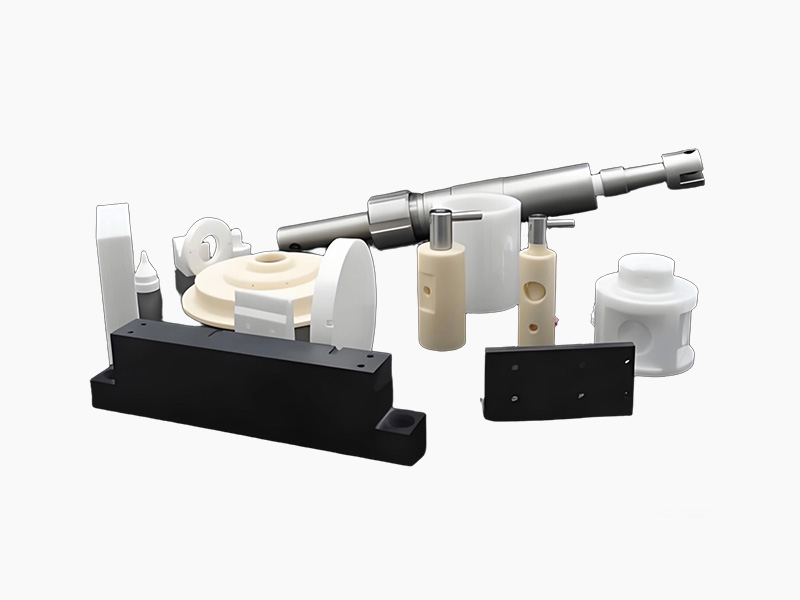
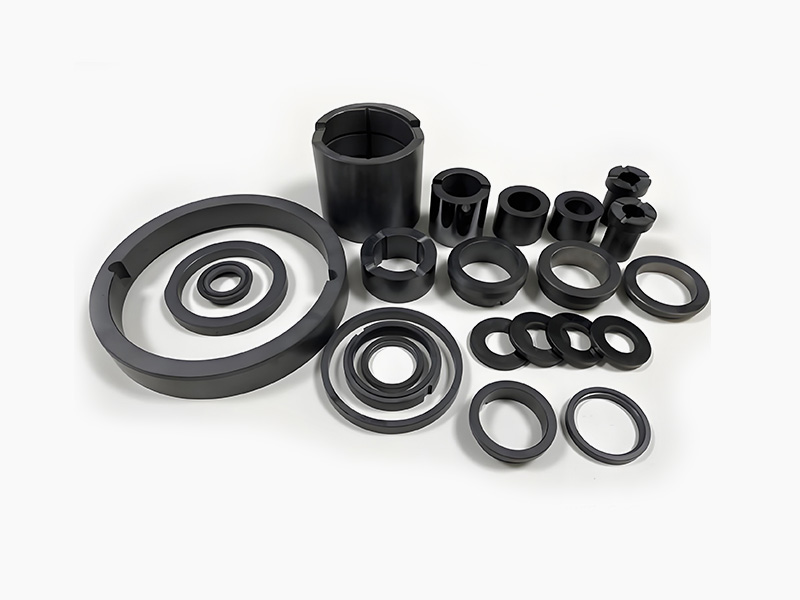




The production of high-precision silicon nitride (Si₃N₄) balls requires sophisticated ceramic engineering techniques and strict process control. Unlike conventional metal ball manufacturing, ceramic ball production involves complex powder processing, high-temperature sintering, and ultra-precision finishing operations.Understanding the manufacturing technology behind silicon nitride ball precision provides valuable insight into why these components deliver superior performance in advanced industrial applications.
Raw Material Selection
The foundation of precision ceramic balls lies in the quality of the raw material.High-purity silicon nitride powder is essential for achieving uniform microstructure and consistent mechanical properties.Important material characteristics include:
1、high purity level (> 99%)
2、controlled particle size distribution
3、minimal oxygen contamination
Proper powder selection ensures better densification during sintering.
Powder Processing and Mixing
To improve sintering behavior, additives such as yttria (Y₂O₃) or alumina (Al₂O₃) are often introduced.These additives help form a liquid phase during sintering, promoting grain bonding and eliminating porosity.The powder mixture is carefully homogenized through ball milling or advanced mixing techniques.
Forming of Green Spheres
After powder preparation, the material must be shaped into spherical green bodies.Common forming techniques include:
1、cold isostatic pressing
2、injection molding
3、spray granulation and forming
These processes produce uniform spherical blanks with controlled density.
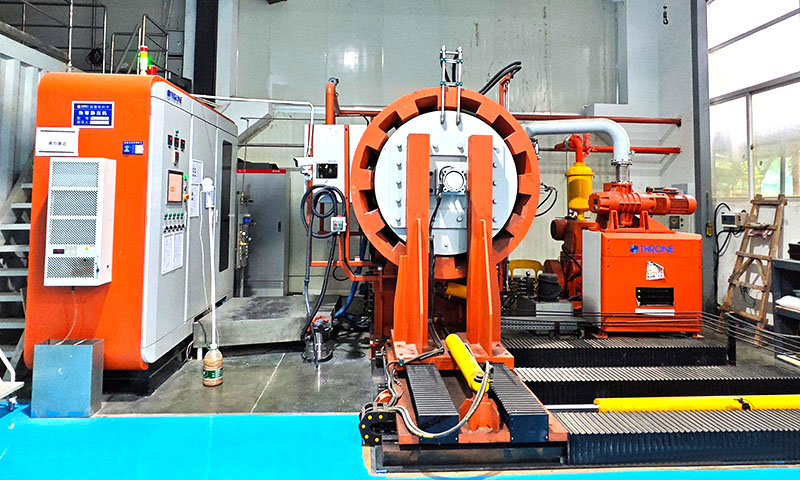
High-Temperature Sintering
The green spheres are then subjected to high-temperature sintering.Typical sintering conditions include:
1、temperature: 1700–1800°C
2、controlled nitrogen atmosphere
3、extended dwell time
This step transforms the porous green body into a dense ceramic material with high strength and hardness.
Hot Isostatic Pressing (HIP)
For ultra-high precision applications, manufacturers may use hot isostatic pressing (HIP).HIP removes residual porosity by applying high temperature and isostatic pressure simultaneously.This process significantly improves:
1、fracture toughness
2、density
3、mechanical reliability
Precision Grinding and Lapping
Once sintered, the ceramic balls undergo several stages of precision machining.Diamond grinding wheels are used to remove excess material and achieve approximate spherical geometry.Subsequent lapping processes refine the shape and surface finish.High-precision lapping machines gradually improve:
1、roundness
2、diameter tolerance
3、surface smoothness
Achieving Ultra-High Precision
To reach grades such as G5 or G3, extremely fine polishing processes are required.These involve:
1、micro-abrasive slurry polishing
2、ultra-precision lapping plates
3、automated monitoring systems
Such techniques enable manufacturers to produce ceramic balls with near-perfect geometry.
Industrial Applications
Precision silicon nitride balls are widely used in industries where reliability and performance are critical.Typical applications include:
1、aerospace bearings
2、high-speed machine tool spindles
3、electric vehicle motors
4、semiconductor processing equipment
5、medical devices
These industries benefit from the superior strength and durability of ceramic balls.
Conclusion
The manufacturing of high-precision silicon nitride balls is a sophisticated process involving advanced ceramic materials, high-temperature sintering technology, and ultra-precision machining. Each step contributes to achieving the dimensional accuracy and mechanical performance required for demanding industrial environments.
As engineering technologies continue to evolve, improvements in ceramic processing and precision manufacturing will further enhance the capabilities of silicon nitride ball technology.