
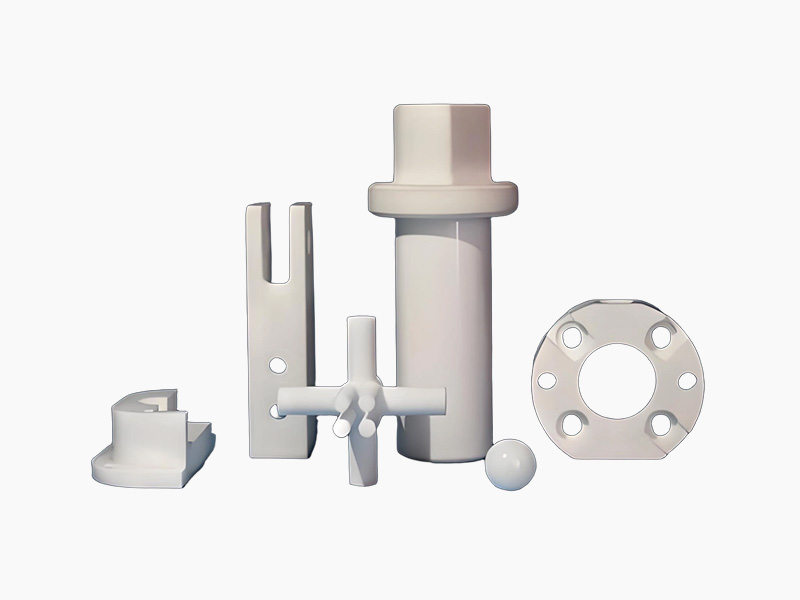
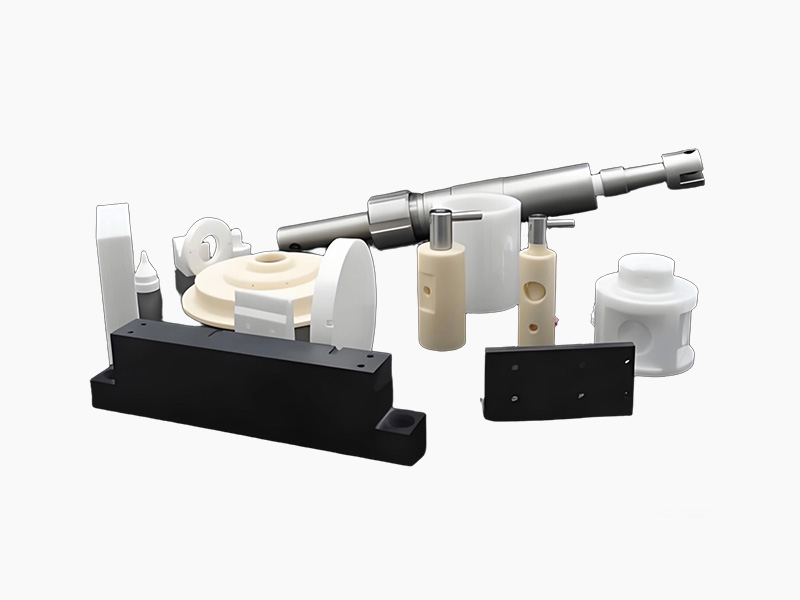




Lightweight vehicle design is a key trend in modern automotive engineering. Reducing vehicle weight improves fuel efficiency, extends electric vehicle range, and enhances overall performance.However, lightweight materials such as aluminum alloys and thin steel panels require precise welding techniques. Ceramic welding pins play an important role in ensuring accurate positioning during these processes.
Challenges in Welding Lightweight Materials
Lightweight materials present unique challenges:
1、Increased susceptibility to heat distortion
2、Lower structural rigidity during welding
3、Higher precision requirements
Traditional metal pins may not provide the necessary stability.
Role of Ceramic Welding Pins
1、Dimensional Stability
Maintains precise positioning even under heat exposure.
2、Low Thermal Expansion
Reduces the risk of distortion in thin materials.
3、Smooth Surface Finish
Prevents damage to delicate components.
4、High Wear Resistance
Ensures long-term accuracy in production lines.
Applications
1、Aluminum body panel welding
2、EV structural components
3、Lightweight chassis systems
Benefits for Manufacturers
1、Improved weld quality
2、Reduced material deformation
3、Enhanced production consistency
4、Lower defect rates
Conclusion
Ceramic welding pins support the transition to lightweight automotive manufacturing by providing precise, stable positioning. Their advanced material properties make them essential for welding modern vehicle components.