
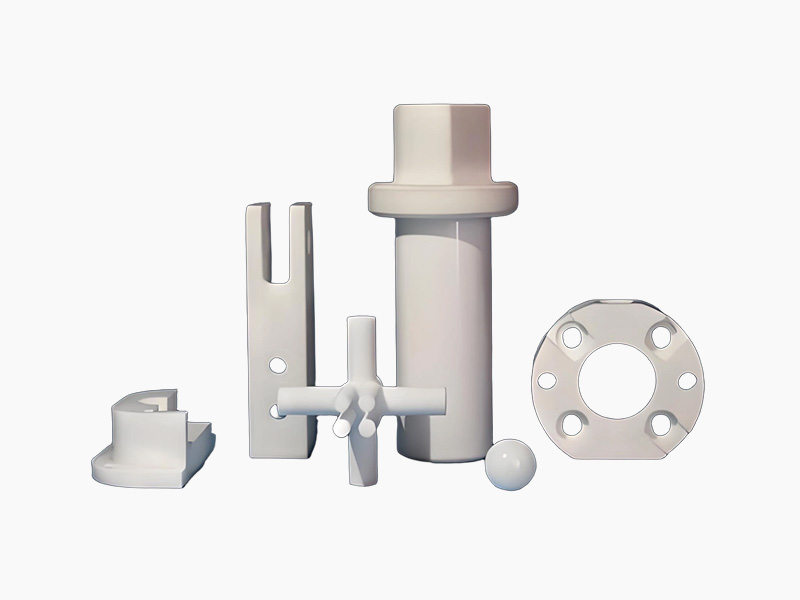
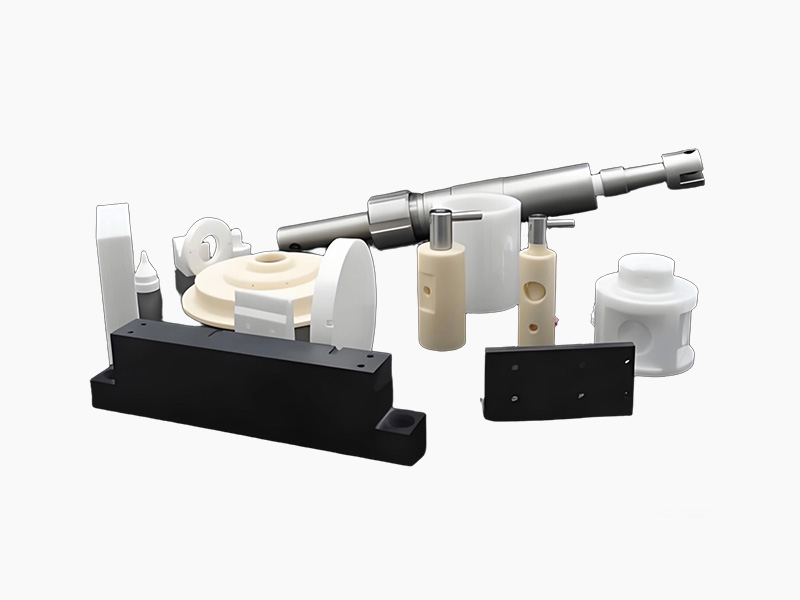





Robotic welding clamps (welding tongs) are critical components in automated welding systems. They hold and position workpieces during welding operations. Ceramic welding pins enhance the performance and reliability of these clamps.
Function of Welding Clamps in Automation
Welding clamps ensure that components remain fixed during the welding process. Accurate positioning is essential to maintain weld quality and repeatability.
Challenges with Metal Pins in Clamps
Metal pins in welding clamps may suffer from:
1、Wear due to repeated contact
2、Thermal expansion under heat
3、Deformation over time
These issues can lead to alignment drift and inconsistent weld quality.
Benefits of Ceramic Welding Pins in Clamps
1. High Wear Resistance
Ceramic pins maintain their shape even after extensive use.
2. Thermal Stability
Low thermal expansion ensures consistent positioning during welding.
3. Resistance to Spatter and Heat
Ceramic materials are not affected by welding spatter or high temperatures.
Enhancing Robotic Welding Accuracy
Stable positioning allows robotic systems to perform repeatable welds with high precision. Ceramic welding pins help eliminate variability in automated welding processes.
Long-Term Cost Efficiency
Reduced wear and maintenance translate into lower operational costs and improved productivity.
Conclusion
Integrating ceramic welding pins into robotic welding clamps improves durability, precision, and overall system efficiency.