




Learn the complete manufacturing process of silicon nitride balls, from powder preparation to precision finishing. The performance of silicon nitride balls is not only determined by material composition but also by the precision of the manufacturing process. Each stage, from raw powder to final polishing, plays a critical role in ensuring strength, durability, and dimensional accuracy.
Raw Material Preparation
The process begins with high-purity silicon nitride powder. Additives such as yttria and alumina are introduced to enhance sintering performance and improve mechanical properties.Key considerations:
Particle size distribution
Purity level
Homogeneous mixing
Forming the Ball Shape
The prepared powder is shaped into spherical forms using techniques such as:
Cold isostatic pressing (CIP)
Injection molding
These methods ensure uniform density throughout the green body.
Sintering Process
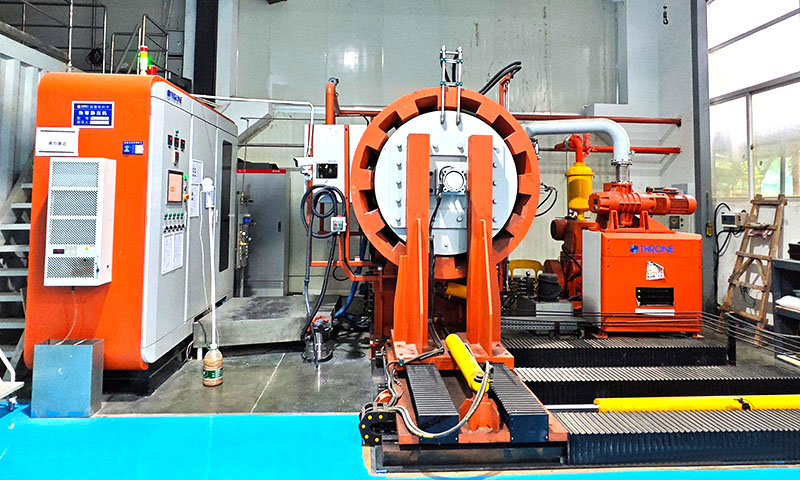
Sintering is the most critical step. The formed balls are heated at high temperatures (typically above 1700°C) in a controlled atmosphere. This step:
Densifies the material
Eliminates porosity
Enhances mechanical strength
Hot Isostatic Pressing (HIP)
To further improve density and eliminate internal defects, silicon nitride balls often undergo HIP treatment. Benefits include:
Increased fracture toughness
Improved reliability
Reduced internal flaws
Precision Grinding and Polishing
After sintering, the balls are ground and polished to achieve:
High roundness
Tight tolerances (Grade G3–G10)
Ultra-smooth surface finish
Quality Inspection
Each ball is inspected using:
Laser measurement systems
Surface roughness testing
Non-destructive testing (NDT)
FAQ
Q1: Why is HIP important?
It removes internal defects and improves strength.
Q2: What tolerance levels can be achieved?
High-precision grades like G5 or better are achievable.
Conclusion
The manufacturing process of silicon nitride balls is highly sophisticated, ensuring that each component meets the stringent requirements of modern engineering applications.