




In the manufacturing of Silicon Nitride (Si₃N₄) balls, forming is a critical step that directly influences dimensional accuracy, internal density distribution, and overall structural integrity. Even with high-quality raw materials and optimized powder preparation, improper forming techniques can introduce defects that limit performance and reliability.
Role of Forming in Si₃N₄ Ball Manufacturing
Forming is the process by which prepared silicon nitride powder is shaped into a “green body” before sintering. The quality of this green body determines how the material densifies during sintering and how much machining is required afterward.
Key objectives of forming include:
1、Achieving uniform green density.
2、Minimizing internal porosity.
3、Ensuring dimensional consistency.
4、Reducing deformation during sintering.
For Silicon Nitride (Si₃N₄) balls used in high-precision applications, forming accuracy is especially important.
Cold Isostatic Pressing (CIP)
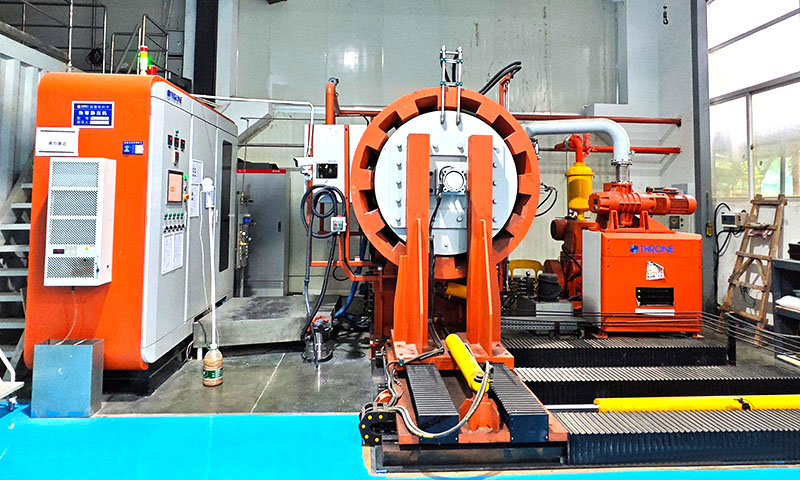
Cold isostatic pressing is one of the most widely used forming techniques for Silicon Nitride balls. In this method, granulated powder is sealed in a flexible mold and subjected to uniform pressure from all directions.
Advantages of CIP include:
1、Uniform density throughout the green body.
2、Reduced risk of internal cracks.
3、Improved sintering behavior.
4、High reproducibility.
Because pressure is applied isotropically, CIP is particularly effective in producing spherical green bodies with minimal density gradients.
Uniaxial Pressing
Uniaxial pressing involves applying pressure in a single direction using a rigid die. While this method is simpler and faster than CIP, it can result in non-uniform density distribution, especially in thicker sections.
In Silicon Nitride (Si₃N₄) ball production, uniaxial pressing is typically used for:
1、Preforming
2、Low-precision or small-diameter balls
3、Applications where subsequent reshaping is planned
Careful process control is required to minimize density variation when using this forming method.
Injection Molding for Complex Ceramic Components
Although less common for spherical components, ceramic injection molding can be used in specialized cases where high-volume production or complex geometries are required. In this process, silicon nitride powder is mixed with organic binders and injected into precision molds.
Injection molding offers:
1、Excellent dimensional control
2、High production efficiency
3、Suitability for automated manufacturing
However, binder removal and debinding processes must be carefully managed to avoid defects, making this technique more complex than traditional pressing methods.
Green Machining and Pre-Shaping
After forming, green machining is often performed to improve sphericity and dimensional accuracy before sintering. Because the green body is relatively soft, machining at this stage is more efficient than post-sintering grinding.
Benefits of green machining include:
1、Reduced grinding time after sintering
2、Improved roundness and size control
3、Lower risk of surface damage
For precision-grade Silicon Nitride (Si₃N₄) balls, green machining plays a key role in achieving tight tolerances.
Binder Systems and Their Influence
Binders are essential for maintaining the integrity of the green body during forming and handling. The selection of binder type and content affects powder flowability, compaction behavior, and debinding performance.
An optimized binder system ensures:
1、Adequate green strength
2、Clean burnout during heating
3、Minimal residue after debinding
Improper binder selection can lead to cracking, bloating, or residual porosity in Silicon Nitride balls.
Defect Prevention During Forming
Common forming-related defects include lamination, density gradients, and trapped air pockets. These defects can propagate during sintering and compromise the mechanical strength of the final product.
Effective defect prevention strategies include:
1、Controlled powder granulation
2、Optimized pressing parameters
3、Proper mold design
4、Degassing during forming
Manufacturers of high-quality Silicon Nitride (Si₃N₄) balls place strong emphasis on forming process stability.
Impact of Forming Quality on Final Performance
The forming stage has a direct impact on the final performance of Silicon Nitride balls. Uniformly formed green bodies result in:
1、Higher sintered density
2、Improved surface finish
3、Enhanced fatigue resistance
4、Consistent dimensional accuracy
In high-speed bearing and precision motion applications, these attributes translate into improved reliability and extended service life.
Applications Demanding Precision Forming
Industries that require tight tolerances and consistent performance rely heavily on advanced forming techniques. These include:
1、Hybrid ceramic bearings
2、Aerospace motion systems
3、Semiconductor equipment
4、High-speed electric motors
In such applications, forming quality is as important as material selection.
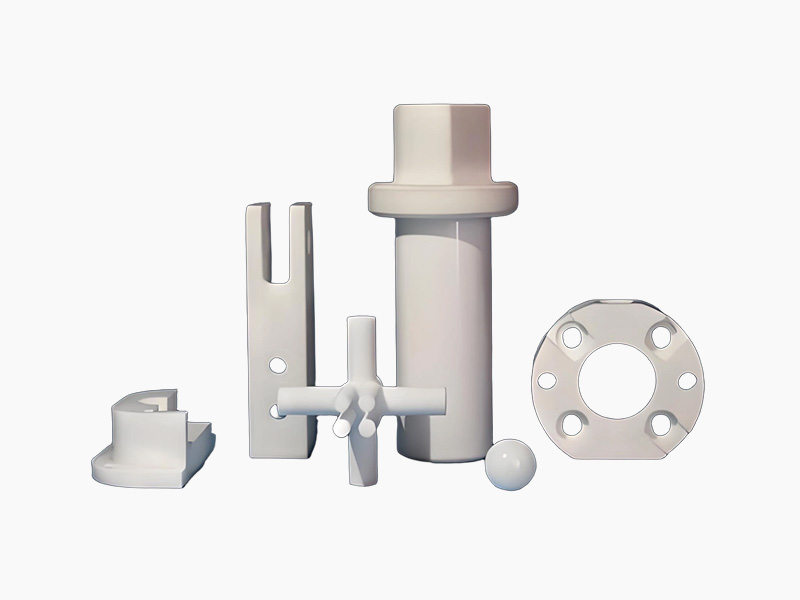
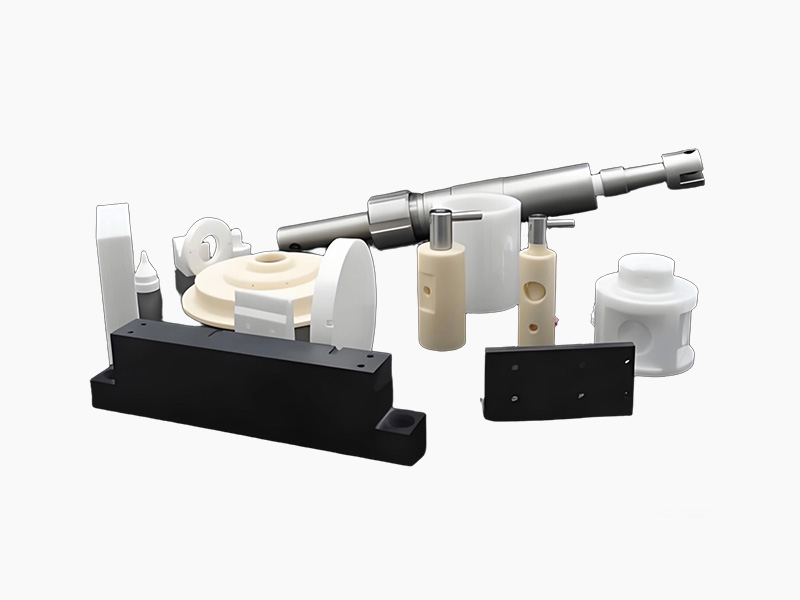
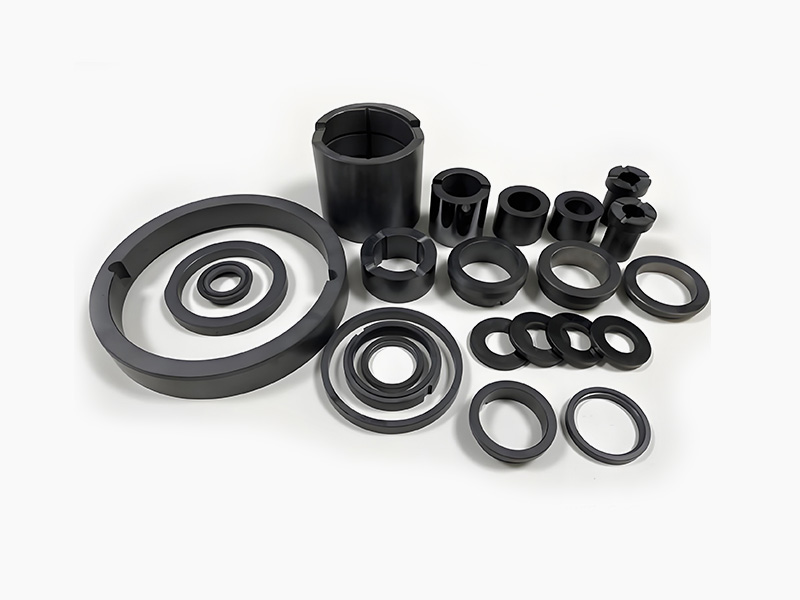
Forming techniques play a pivotal role in the production of precision Silicon Nitride (Si₃N₄) balls. Methods such as cold isostatic pressing, controlled binder systems, and green machining enable manufacturers to produce ceramic balls with uniform density and excellent dimensional accuracy. By optimizing forming processes, manufacturers can significantly enhance the performance and reliability of Silicon Nitride balls in demanding industrial environments.