




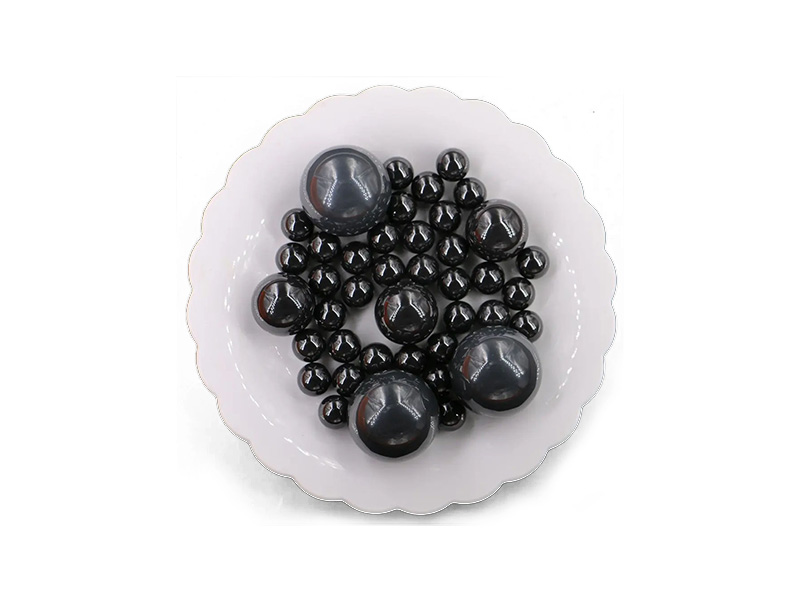
Silicon nitride balls have become one of the most advanced rolling elements used in modern bearing technology. Their outstanding combination of high hardness, low density, corrosion resistance, electrical insulation, and high-temperature stability makes them ideal for demanding applications such as aerospace systems, electric vehicle motors, CNC machine tools, semiconductor equipment, and precision industrial machinery.
However, producing high-quality silicon nitride balls (Si3N4 balls) is far more complex than manufacturing conventional steel balls. Ceramic materials are inherently hard and brittle, requiring specialized powder processing, precision forming techniques, advanced sintering technology, and ultra-accurate finishing processes.
A premium silicon nitride ball is the result of a carefully controlled manufacturing chain where every step directly affects final performance, including:
·Density.
·Hardness.
·Fracture toughness.
·Roundness.
·Surface roughness.
·Dimensional accuracy.
·Fatigue resistance.
1. Raw Material Preparation
The first step in manufacturing silicon nitride balls is selecting and preparing high-quality ceramic raw materials.
The primary material is:
Silicon Nitride Powder (Si₃N₄)
High-performance applications require:
·High purity powder
·Controlled particle size distribution
·Low oxygen content
·Uniform chemical composition
The quality of silicon nitride powder directly determines the final mechanical properties of the ceramic ball.
Why Powder Quality Matters
Unlike metals, ceramic materials cannot be easily modified after forming. Any defects introduced during powder preparation may remain in the final component.
Poor-quality powder can cause:
·Internal pores.
·Uneven density.
·Reduced strength.
·Lower fatigue resistance.
·Surface defects.
For bearing applications, even microscopic defects can significantly reduce service life.
Therefore, manufacturers carefully control:
·Powder purity.
·Particle size.
·Mixing uniformity.
·Agglomeration level.
2. Adding Sintering Additives
Pure silicon nitride is difficult to densify because of its strong covalent bonding structure.
To improve sintering performance, manufacturers add small amounts of sintering aids.
Common additives include:
·Yttrium oxide (Y₂O₃).
·Aluminum oxide (Al₂O₃).
·Magnesium oxide (MgO).
The exact additive formulation depends on the required application performance.
3. Powder Mixing and Milling
After adding sintering additives, the ceramic powder mixture undergoes intensive mixing.
Typical processes include:
·Ball milling.
·Wet milling.
·Ultrasonic dispersion.
The goal is to achieve:
·Uniform distribution of additives.
·Consistent particle size.
·Homogeneous ceramic composition.
4. Forming Silicon Nitride Ball Blanks
After powder preparation, the material is shaped into spherical blanks.
Several forming technologies may be used.
·Cold Isostatic Pressing (CIP).
·Injection Molding.
5. Debinding Process
Before sintering, manufacturers remove organic binders from the green ceramic bodies.
This process is called:
Debinding
During debinding:
·Organic materials are slowly removed
·Internal stress is minimized
·Cracking risks are reduced
A controlled debinding process is essential because rapid removal of binders may create defects.
6. Sintering Process
Sintering is the most important stage in silicon nitride ball manufacturing.
During sintering, ceramic particles bond together under high temperature, transforming porous green bodies into dense ceramic balls.
Typical sintering conditions:
·Temperature: 1700–1800°C
·Atmosphere: Nitrogen gas
·Controlled pressure environment
Reaction Sintering vs Pressureless Sintering
Different manufacturing approaches exist.
Gas Pressure Sintering
Gas pressure sintering applies nitrogen pressure during heating.
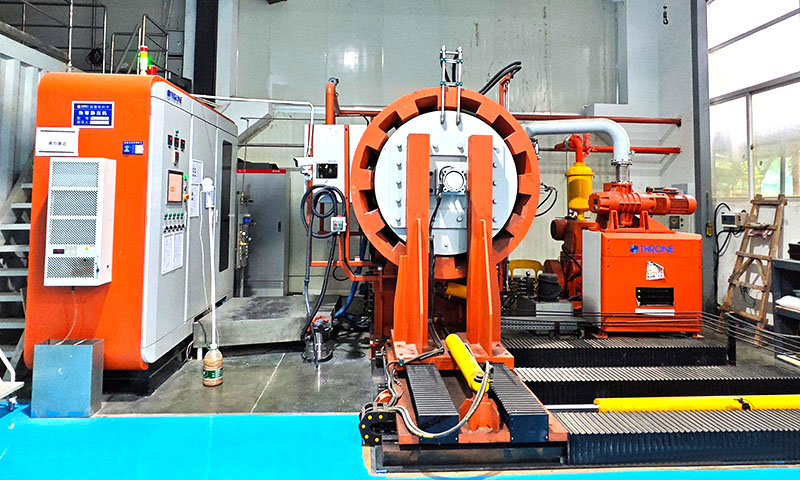
7. Hot Isostatic Pressing (HIP)
For premium-grade silicon nitride balls, manufacturers may use:
Hot Isostatic Pressing (HIP)
HIP applies:
·High temperature
·High gas pressure
The process eliminates remaining internal pores and improves material structure.
8. Precision Grinding
After sintering, silicon nitride balls require extensive machining.
Although ceramic balls are extremely hard, they are also difficult to process.
Manufacturers use:
·Diamond grinding wheels.
·Precision lapping machines.
·Computer-controlled equipment.
9. Precision Inspection and Quality Control
High-quality silicon nitride balls require strict inspection procedures.
Important quality parameters include:
·Diameter Accuracy.
·Roundness.
·Surface Roughness.
10. Applications Requiring Advanced Manufacturing
High-quality silicon nitride balls are widely used in:
·Electric Vehicle Bearings.
·Semiconductor Equipment.
·Aerospace Bearings.
·CNC Machine Tool Spindles.
FAQ About Silicon Nitride Balls
How are silicon nitride balls made?
Silicon nitride balls are manufactured through powder preparation, additive mixing, forming, sintering, optional HIP treatment, precision grinding, polishing, and inspection.
Why is HIP used for silicon nitride balls?
HIP reduces internal porosity and improves density, strength, and fatigue resistance, making ceramic balls suitable for demanding bearing applications.
Are silicon nitride balls difficult to manufacture?
Yes. Silicon nitride is extremely hard and requires advanced ceramic processing and diamond machining technology.
What makes high-quality silicon nitride balls different?
High-quality balls have:
·Higher density
·Better roundness
·Lower surface roughness
·Improved reliability